Component 1:
Visual Acuity & Refraction
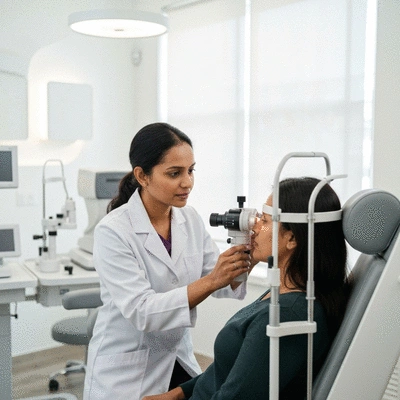
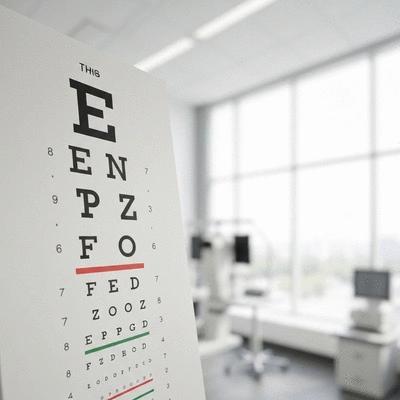
Determines clarity of vision and identifies the precise prescription for glasses or contact lenses.
Core Assessment
Welcome to Genuine Eye Care! Your vision, our priority.
May 18
Have you ever considered how much your eye health impacts your overall well-being? A comprehensive eye exam is more than just a routine check; it's a vital component of preventive healthcare that can help detect serious health issues early on. Let's explore why these exams should be a priority for everyone.
Understanding the core components of a comprehensive eye exam and its profound impact on your overall health.
Determines clarity of vision and identifies the precise prescription for glasses or contact lenses.
Advanced technology is used to screen for conditions like glaucoma and cataracts early on.
Early detection of systemic health issues like diabetes and hypertension reflected in eye health.
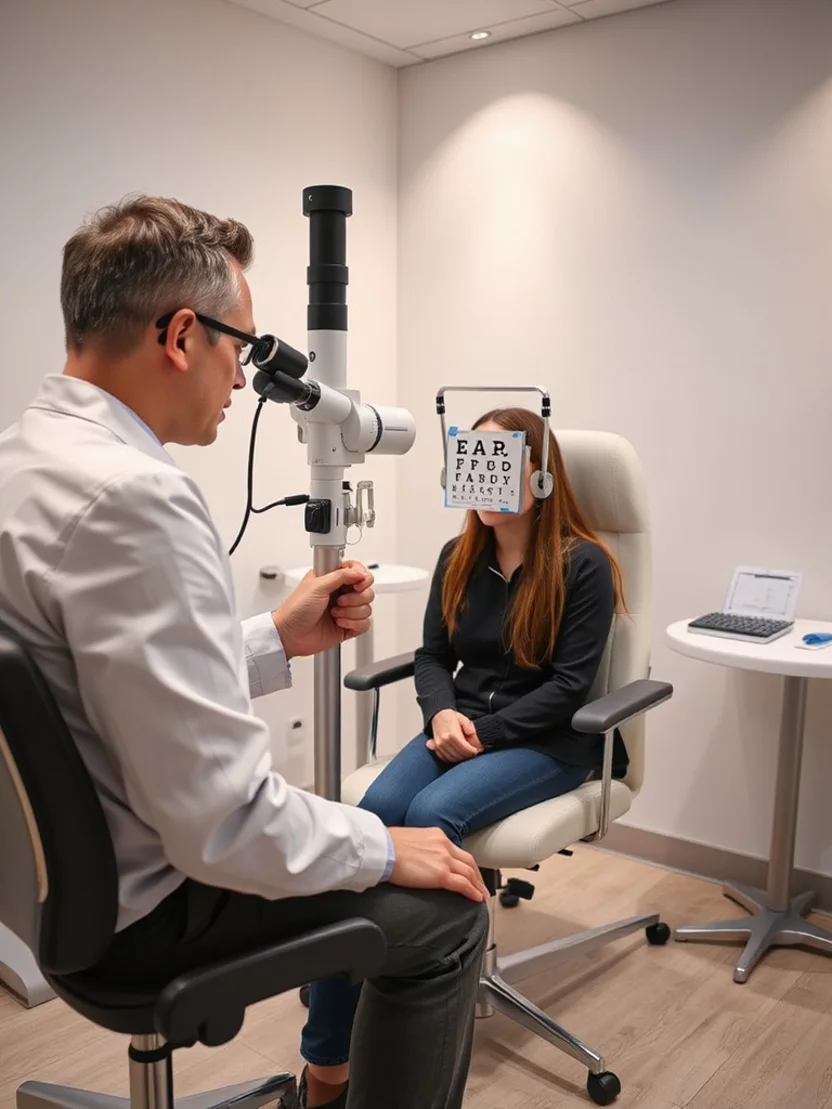
Specialists in diagnosing and treating eye health issues, prescribing lenses, and providing primary eye care.
As a dedicated doctor of optometry at Genuine Eye Care, I often emphasize the importance of comprehensive eye exams. But what exactly does a comprehensive eye exam involve, and why is it so vital for maintaining eye health? Let's dive into this essential aspect of vision care!
A comprehensive eye exam is much more than just checking if you need glasses. It’s a thorough evaluation of your vision and overall eye health. During this detailed process, we assess visual acuity, check for refractive errors, and perform several tests to identify any potential eye conditions. The American Optometric Association (AOA) highlights the critical elements of a comprehensive adult eye examination, which include:
These exams are crucial in detecting issues that may not present obvious symptoms, ensuring that any concerns are addressed early on.
Many people underestimate the significance of regular eye exams. It's not just for those who wear glasses or have existing vision problems. Eye exams play a vital role in preventive healthcare, helping identify early signs of conditions such as diabetes or hypertension, which can affect your vision. I always encourage my patients to think of their eye health as part of their overall well-being. According to the National Institutes of Health, early detection of eye conditions can significantly improve treatment outcomes, reinforcing the importance of routine examinations.
Ultimately, prioritizing your eye exams can lead to better vision and overall health outcomes!
Understanding who conducts eye exams can help you feel more comfortable when seeking care. Optometrists, like myself, specialize in examining, diagnosing, and treating a wide range of eye health issues. We are trained to provide comprehensive eye care, including prescribing glasses and contact lenses.
Ophthalmologists, on the other hand, are medical doctors who specialize in eye care. They perform eye surgeries and treat more complex conditions. Both professions work together to ensure you receive the best possible care for your vision needs. The American Academy of Ophthalmology provides detailed guidelines for comprehensive adult medical eye evaluations, which are often performed by ophthalmologists. If you’re unsure about your eye care provider, don’t hesitate to ask questions during your next visit!
Optometrists specialize in examining, diagnosing, and treating a wide range of eye health issues, including prescribing glasses and contact lenses. Ophthalmologists are medical doctors who perform eye surgeries and treat more complex conditions. Both professions work together to provide comprehensive eye care, but their scope of practice differs.
It is generally recommended to have regular eye exams, even if you don't have existing vision problems. The frequency can vary based on age, risk factors, and overall health. Your eye care professional can provide a personalized recommendation, but annual check-ups are often advised to detect issues early and maintain optimal eye health.
Yes, comprehensive eye exams can reveal early signs of systemic health conditions such as diabetes and hypertension. The eyes' blood vessels and tissues can reflect the health of other bodily systems, making eye exams a vital tool in preventive healthcare.
Knowing your family eye history is crucial because many eye conditions, such as glaucoma and macular degeneration, have a hereditary component. Sharing this information with your eye care professional allows them to tailor your exam to focus on potential genetic risks and implement better preventive measures.
After a comprehensive eye exam, various vision correction options may be discussed, including glasses for ease and comfort, contact lenses for a hassle-free experience without frames, and refractive surgery for long-term vision correction. The best option depends on your lifestyle and specific vision needs.
How often do you prioritize your eye exams? Share your thoughts below:
As we wrap up our discussion on comprehensive eye exams, it's crucial to recognize their role in maintaining your overall health. These exams are not just about checking if you need glasses; they are a vital part of preventive healthcare. By understanding the significance of these visits, you can take proactive steps to safeguard your vision and well-being!
At Genuine Eye Care, I emphasize the importance of regular check-ups to catch any potential issues early. Remember, the earlier we detect a problem, the better we can manage it! This is why I encourage all my patients to prioritize their eye health.
Comprehensive eye exams serve as a first line of defense against various ocular conditions and systemic diseases. They help in:
By scheduling these exams regularly, you can ensure that any potential issues are addressed promptly. It’s all about taking charge of your eye health and being proactive!
If you haven’t had an eye exam in the past year, I encourage you to schedule one soon! At Genuine Eye Care, we make it easy and comfortable for you. Just imagine stepping into a caring environment where your vision is our top priority!
Don’t wait until you experience discomfort or vision changes. Regular check-ups not only help in maintaining clear vision but also in preventing serious eye health problems. Let’s work together to keep your eyes healthy!
Your family history plays a significant role in understanding your eye health. Knowing if there are conditions like glaucoma or macular degeneration in your family can guide our approach to your care. Here’s why it matters:
Sharing your family eye history during your visit can dramatically enhance the accuracy of your care plan. Remember, knowledge is power!
After your comprehensive eye exam, we may discuss various vision correction options tailored to your lifestyle. Here’s a brief overview:
Whatever your needs may be, I’m here to help you find the best solution for your unique situation. At Genuine Eye Care, we believe that everyone deserves to see clearly and comfortably!
Here is a quick recap of the important points discussed in the article:
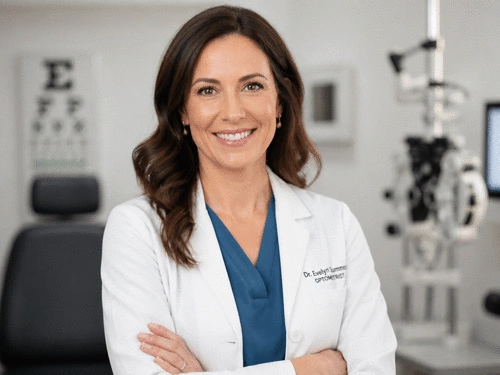
Dedicated Doctor of Optometry. Passionate about enhancing vision and ocular health. Patient-centered approach.
Dr. Evelyn Summers, OD is dedicated to providing comprehensive eye care and empowering her patients through knowledge and personalized consultations. At Genuine Eye Care, she ensures you receive the best care tailored to your unique needs, enhancing your vision clarity and protecting your long-term ocular health. Join her on our blog for insights and strategies for optimal eye care.
Doctor of Optometry. Ocular Health Specialist. Patient-centered care advocate.
Dr. Evelyn Summers, OD is dedicated to enhancing her patients' vision clarity and protecting long-term ocular health, empowering individuals and families to embrace a life of optimal sight. Join her on our blog for daily tips and tailored strategies that simplify your eye care journey and enhance your overall well-being.