May 18
Eyeglass Prescription and Lens Fitting
Have you ever walked out of an eye exam with your prescription in hand and wondered what to do next? Understanding the eyeglass prescription process is key to ensuring you get the most out of your vision correction. Here's a comprehensive breakdown of what you will learn from the article.
What You Will Learn
- The importance of a thorough medical history review and how it impacts your eyeglass prescription.
- What to expect during visual acuity tests and why they are crucial for determining your vision clarity.
- The role of the refraction test in customizing your glasses prescription to your specific needs.
- How dilation helps detect serious eye conditions during your comprehensive eye exam.
- Common eye conditions like myopia and hyperopia and their influence on your eyeglass prescription.
- Step-by-step guidance on selecting frames and lenses that suit your lifestyle.
- The importance of prescription verification in ensuring the accuracy of your eyeglasses.
- What to expect regarding fitting adjustments and potential remakes of your new glasses.
The Comprehensive Eyeglass Prescription Process
Understanding the thorough process of obtaining an eyeglass prescription, from initial exam to final fitting, ensures optimal vision care. This visual guide highlights the key stages and considerations at each step.
1. Medical History & Visual Acuity
Review personal/family eye health; measure clarity at various distances.
2. Refraction Test (Phoropter)
Determine precise lens measurements for prescription accuracy.
3. Dilation & Eye Health Screening
Examine retina/optic nerve; check eye pressure to detect conditions.
4. Understanding Eye Conditions
Identify myopia, hyperopia, astigmatism to tailor prescription.
Post-Prescription Steps
1. Ordering Glasses: Frames & Lenses
Select frames, lens type (single, bifocal, progressive), coatings.
2. Prescription Verification
Crucial step to prevent errors and ensure accurate, comfortable vision.
3. Fitting Adjustments & Remakes
Initial adjustments for comfort; remakes if visual issues persist.
4. Prescription Validity & Follow-ups
Typically 1-2 years; schedule follow-ups for changes or issues.
Understanding the Comprehensive Eyeglass Prescription Process
When it comes to your vision, understanding the comprehensive eyeglass prescription process is essential. At Genuine Eye Care, I ensure that every step is personalized and thorough, so you leave with a prescription that meets your unique needs. Let's dive into what happens during a comprehensive eye exam and why it matters for your eyesight!
During a comprehensive eye exam, we evaluate not just your visual acuity but also your overall eye health. This involves reviewing your medical history, conducting visual acuity tests, and performing eye health evaluations. Each of these components plays a critical role in crafting an accurate eyeglass prescription tailored just for you. For more information on your rights regarding prescriptions, the FTC Eyeglass Rule outlines your right to a copy of your prescription.
What Happens During a Comprehensive Eye Exam?
During your exam, I’ll guide you through several key components:
- Medical History Review: Understanding your personal and family eye health history helps identify any potential risks.
- Visual Acuity Tests: These tests measure how clearly you see at various distances.
- Eye Health Evaluations: We check for signs of eye diseases or conditions that may affect your vision.
This thorough approach ensures we address both immediate and long-term visual needs, paving the way for effective solutions.
Key Tests in the Eye Exam
Visual Acuity Test: What to Expect
The visual acuity test is one of the most important parts of your exam. This test helps determine how well you see at different distances using a standard eye chart. Depending on the results, we can assess whether you require corrective lenses to enhance your visual clarity.
Have you ever noticed how a simple letter on the chart can look fuzzy? This test is crucial for pinpointing that clarity—and I’m here to help you achieve it!
Refraction Test: How Prescription is Determined
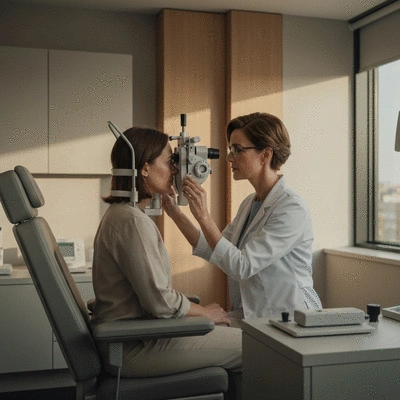
Next, we conduct a refraction test using a phoropter. This device allows me to determine the exact measurements needed for your glasses prescription. By adjusting different lenses in front of your eyes, we can find the perfect lens strength that provides the clearest vision. This precise measurement is crucial for addressing refractive errors, as detailed by the National Eye Institute.
Understanding this process can empower you as a patient! Knowing how we arrive at your prescription helps you appreciate the care we put into tailoring it just for you.
Dilation and Eye Health Screening
Dilation is another vital step in your comprehensive eye exam. By applying special drops, we widen your pupils, allowing for a detailed examination of your retina and optic nerve. This helps us detect any underlying issues such as glaucoma or diabetic changes.
Additionally, we’ll check your eye pressure to ensure everything is functioning as it should. This thorough screening is what sets Genuine Eye Care apart—your ocular health and safety are my top priorities!
Understanding Common Eye Conditions Affecting Your Prescription
Several common eye conditions can influence your eyeglass prescription, including:
- Myopia (Nearsightedness): Difficulty seeing far away.
- Hyperopia (Farsightedness): Difficulty seeing close up.
- Astigmatism: Blurred vision due to an irregularly shaped cornea.
Identifying these conditions during your exam allows me to create a more precise and effective prescription that addresses your specific visual needs. By understanding how these issues can impact your vision, you’ll be better prepared to take charge of your eye health!
Pro Tip
Did you know that incorporating regular breaks during screen time can significantly reduce eye strain? Try the 20-20-20 rule: every 20 minutes, take a 20-second break to look at something 20 feet away. This simple practice can help maintain your eye health over time!
What Happens After Receiving Your Eyeglass Prescription
So, you've just walked out of the optometry office with a brand new eyeglass prescription. What now? Understanding the next steps is essential to ensuring you get the most out of your vision correction. Here’s a quick guide on what to expect after receiving your prescription.
Understanding the Next Steps for Ordering Glasses
Ordering glasses can seem overwhelming, but it’s simpler than you might think! First, you’ll want to choose the right lenses and frames that fit your lifestyle and vision needs. Here’s how to navigate this process:
- Selecting Frames: Consider your face shape and style preferences. Will you be using them for work, sports, or casual outings?
- Choosing Lenses: Decide between single vision, bifocal, or progressive lenses based on your vision requirements. You can learn more about the pros and cons of progressive lenses from the American Academy of Ophthalmology.
- Additional Features: Options like anti-reflective coatings or blue light blocking can enhance your vision experience.
At Genuine Eye Care, we guide you through each choice, ensuring you find the perfect combination that meets your needs!
Prescription Verification: Ensuring Accuracy
Before your new glasses are crafted, it's crucial to verify your prescription for accuracy. Prescription verification is a process that ensures your order matches the written prescription. Why is this important? Here are a few reasons:
- Prevent Errors: Verifying helps catch any mistakes in your prescription that could lead to discomfort or poor vision.
- Ensure Comfort: A correct prescription means your glasses will be comfortable and effective.
- Peace of Mind: Knowing your order is accurate allows you to feel confident in your purchase.
At Genuine Eye Care, we meticulously check every detail to ensure your eyeglass order is precisely what you need.

Fitting Adjustments and Remakes: What to Expect
After receiving your new glasses, there may be a period of adjustment. It’s not uncommon to experience a bit of discomfort initially. If adjustments are needed, here’s what to expect:
- Fit Adjustments: If your glasses feel loose or tight, we can make quick adjustments to enhance comfort.
- Visual Comfort: If you experience vision issues, like blurriness, don’t hesitate to reach out for a follow-up.
- Remakes: In rare cases, if the prescription doesn’t feel right after adjustments, we will work on remaking your lenses.
Remember, your comfort is our priority! At Genuine Eye Care, we’re here to support you every step of the way.
Common Questions About Eyeglass Prescriptions and Fittings
How Long is an Eyeglass Prescription Valid?
Many patients wonder how long their eyeglass prescription is valid. Typically, prescriptions are valid for one to two years, depending on your age and eye health. Regular check-ups are essential, so consider scheduling an exam if you notice changes in your vision.
Dilation and Driving: What You Should Know
After dilation during your eye exam, your vision may be temporarily affected. It’s important to avoid driving until the effects wear off, which can take a few hours. Stay safe and plan accordingly!
Why Are Glasses and Contact Lens Prescriptions Different?
Did you know that glasses and contact lens prescriptions differ in measurements? Glasses sit away from your eyes, whereas contacts sit directly on them, leading to different specifications. Understanding these differences is crucial for your visual comfort.
Follow-Up Appointments: When Should You Schedule?
Follow-up appointments are vital to ensure your ocular health and comfort. If you experience any issues, or it's been over a year since your last exam, it’s time to book another visit. Remember, I'm here to help you maintain the best vision possible!
Frequently Asked Questions
What is the purpose of a comprehensive eye exam?
A comprehensive eye exam evaluates your visual acuity and overall eye health, including reviewing your medical history, conducting visual acuity tests, and performing eye health evaluations to create an accurate eyeglass prescription.
How is my eyeglass prescription determined?
Your eyeglass prescription is determined through visual acuity tests and a refraction test using a phoropter, which helps pinpoint the precise lens measurements needed for clear vision.
Why is dilation important during an eye exam?
Dilation widens your pupils, allowing your optometrist to perform a detailed examination of your retina and optic nerve. This helps detect underlying issues such as glaucoma or diabetic changes.
What are common eye conditions that affect prescriptions?
Common eye conditions include myopia (nearsightedness), hyperopia (farsightedness), and astigmatism (blurred vision due to an irregularly shaped cornea). Identifying these helps create a precise prescription.
What should I do after receiving my eyeglass prescription?
After receiving your prescription, you should select frames and lenses that fit your lifestyle, ensure prescription verification for accuracy, and be prepared for potential fitting adjustments or remakes if needed.
How long is an eyeglass prescription typically valid?
Eyeglass prescriptions are typically valid for one to two years. Regular check-ups are recommended, particularly if you notice any changes in your vision.
Conclusion: Your Vision Care Journey Starts Here
Encouragement to Schedule Your Comprehensive Eye Exam
Regular eye exams and lens fittings are key to maintaining your vision health. I encourage you to prioritize your ocular wellness by scheduling your comprehensive eye exam today!
Call to Action: Book Your Appointment Today
Ready to take the next step? Visit Genuine Eye Care at doctoroptometry.com to book your appointment! Let’s work together to ensure your vision is clear and comfortable.
Recap of Key Points
Here is a quick recap of the important points discussed in the article:
- Comprehensive Eye Exam: Includes a medical history review, visual acuity tests, and eye health evaluations.
- Key Tests: Visual acuity and refraction tests are crucial for determining the right prescription.
- Dilation: Important for examining the retina and optic nerve to detect any underlying issues.
- Common Eye Conditions: Conditions like myopia, hyperopia, and astigmatism influence your prescription.
- Next Steps: Choose the right frames and lenses, and verify your prescription for accuracy.
- Adjustment Period: Be prepared for fitting adjustments and possible remakes after receiving your glasses.
- Regular Check-ups: Schedule follow-ups to maintain ocular health and address any vision changes.
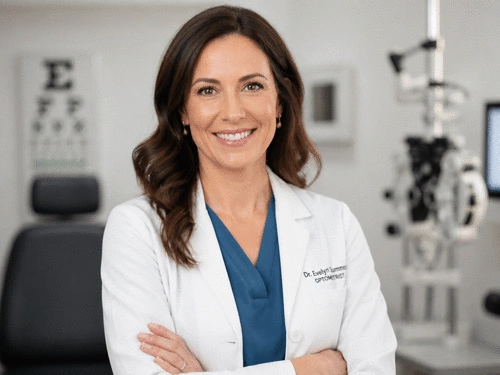
Dr. Evelyn Summers, OD
Dedicated Doctor of Optometry. Passionate about enhancing vision and ocular health. Patient-centered approach.
Dr. Evelyn Summers, OD is dedicated to providing comprehensive eye care and empowering her patients through knowledge and personalized consultations. At Genuine Eye Care, she ensures you receive the best care tailored to your unique needs, enhancing your vision clarity and protecting your long-term ocular health. Join her on our blog for insights and strategies for optimal eye care.