Importance of Regular Eye Exams
- Early detection of eye diseases
- Updating prescriptions for optimal clarity
- Monitoring existing conditions
- Insights into overall health
Welcome to Genuine Eye Care! Your vision, our priority.
May 18
As we navigate the complexities of modern life, understanding the importance of regular eye exams can be a game-changer for your health. Can you recall the last time you had yours? A comprehensive eye exam does more than check your vision; it opens the door to early detection of potential eye diseases and empowers you to take charge of your ocular health.
Comprehensive eye exams are crucial at every stage of life, with specific recommendations and considerations for different age groups.
As a dedicated doctor of optometry, I’ve seen firsthand how comprehensive eye exams can transform not only vision but overall health. So, what exactly is a comprehensive eye exam? It goes beyond checking your vision—it’s a thorough assessment that evaluates the health of your eyes and detects any underlying issues. I emphasize this point during every patient consultation at Genuine Eye Care, as understanding this process empowers you to take charge of your ocular health.
A comprehensive eye exam typically includes a series of tests to assess your vision and the health of your eyes. These exams are crucial for everyone, regardless of age or visual acuity. By making eye exams a part of your regular health routine, you’re investing in your long-term ocular well-being.
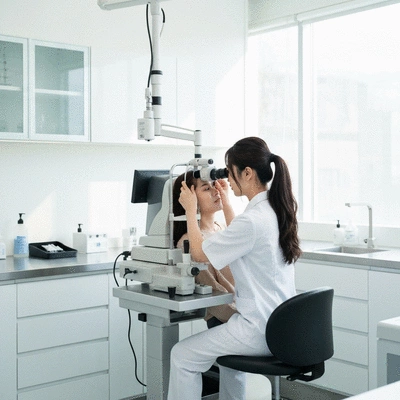
A comprehensive eye exam is a systematic evaluation that includes various components designed to assess not just how well you see, but also the condition of your eyes. This exam typically covers:
Each of these components plays a vital role in ensuring your eyes are healthy and functioning optimally. At Genuine Eye Care, we tailor the exam experience to your individual needs, ensuring that every aspect of your ocular health is addressed. The American Academy of Ophthalmology provides further insights into the comprehensive adult medical eye evaluation.
Regular eye exams are essential for maintaining good vision and detecting potential problems early on. I often remind my patients that many eye conditions develop without obvious symptoms. For instance, conditions like glaucoma can progress silently, making routine exams critical for early intervention.
Consider these key benefits of regular eye exams:
At Genuine Eye Care, we believe that proactive eye care can significantly enhance your quality of life. Regular visits help us create a comprehensive vision plan tailored just for you!
As your optometrist, my role extends beyond merely checking your vision. I am here to guide you through your eye care journey, using advanced diagnostic technology to ensure a thorough examination. My passion for patient education means I’ll explain each step of the process, addressing any concerns you may have.
Here’s how I contribute to your eye care:
At Genuine Eye Care, I strive to build a trusting relationship with each patient, ensuring you feel confident and cared for throughout your eye care experience.
Now that we've covered what a comprehensive eye exam is and why it's essential, let’s delve into the key components of the exam. Each aspect is critical for painting an accurate picture of your eye health. Understanding these components can make your visit to Genuine Eye Care even more insightful!
Did you know that incorporating eye-healthy foods into your diet can significantly enhance your ocular health? Foods rich in omega-3 fatty acids, lutein, zinc, and vitamins C and E can help protect your eyes from age-related issues. Consider adding leafy greens, fish, eggs, and nuts to your meals for better vision!
As a doctor of optometry, I often emphasize the significance of comprehensive eye exams for individuals of all ages. These exams are not just for correcting vision; they play a crucial role in maintaining overall ocular health. Understanding how eye care needs change through the different stages of life can help you prioritize your vision health effectively.
Regular eye exams can reveal essential information about your overall health and are tailored based on age-specific recommendations. Here’s a quick look at why your age matters when it comes to eye care:
At Genuine Eye Care, we focus on customizing our approach to meet these evolving needs, ensuring that every patient receives the best possible care!
Each age group has unique eye care needs. Here’s a breakdown of recommended exam frequencies:
By following these recommendations, you can ensure that any changes in vision are caught early, which is crucial for maintaining optimal eye health.
Your eye exam frequency may also depend on various risk factors. Factors like family history, lifestyle choices, and existing health conditions can impact your ocular health significantly. Consider these common elements that might necessitate more frequent visits:
By discussing your health history with us at Genuine Eye Care, we can better tailor your eye care plan to fit your unique needs!
For children, early eye exams are vital for checking their visual development. Did you know that about 80% of what a child learns is through their vision? This statistic underscores why pediatric eye exams should not be overlooked. By spotting issues early, we can help your child achieve their best visual potential.
Some common signs that may indicate your child needs an eye exam include:
Addressing these issues early on can have a lasting impact on their academic and social development, so don’t hesitate to bring them in for a check-up!
As we age, our eyes naturally undergo changes that can affect vision quality. That’s why dedicated geriatric eye care is essential. Common conditions that older adults may experience include cataracts, glaucoma, and age-related macular degeneration. Regular check-ups enable us to monitor these conditions and implement timely interventions.
Here are a few aspects of geriatric eye care we prioritize at Genuine Eye Care:
Our goal is to ensure every patient maintains their quality of life through effective eye care tailored specifically for their age group!
A: A comprehensive eye exam is a detailed assessment that goes beyond checking your vision. It evaluates the overall health of your eyes, tests for various eye conditions, and determines your exact prescription for corrective lenses. It includes visual acuity testing, refraction assessment, intraocular pressure measurement, and a dilated fundus exam.
A: Regular eye exams are crucial for early detection of eye diseases—many of which develop without obvious symptoms—and for maintaining good vision. They help update prescriptions, monitor existing conditions, and can even provide insights into your overall health, as some systemic diseases manifest in the eyes. More information can be found on this MedlinePlus article about eye exams.
A: The frequency of eye exams varies by age and risk factors. Infants should have their first exam at 6 months, children at age 3 and before school. Adults typically need exams every 1-2 years, while seniors should have annual exams due to increased risk of age-related conditions.
A: Risk factors include a family history of eye diseases (like glaucoma or macular degeneration), chronic conditions such as diabetes or hypertension, and occupational hazards that place strain on your eyes or increase injury risk. Discussing your health history with your optometrist helps tailor your eye care plan.
A: Pediatric eye exams are vital for checking a child's visual development because a significant portion of learning occurs through vision. Early detection of issues can prevent long-term academic and social developmental problems. Signs like squinting, frequent headaches, or difficulty reading can indicate a need for an exam.
Here is a quick recap of the important points discussed in the article:
Dedicated Doctor of Optometry. Passionate about enhancing vision and ocular health. Patient-centered approach.
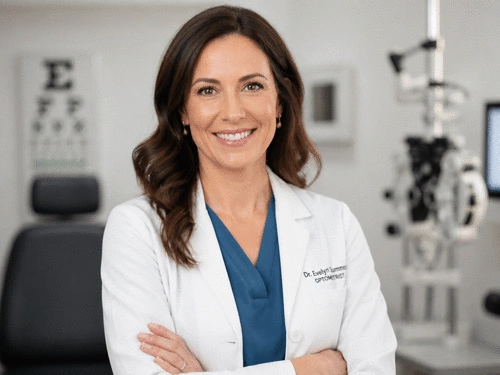
Dr. Evelyn Summers, OD is dedicated to providing comprehensive eye care and empowering her patients through knowledge and personalized consultations. At Genuine Eye Care, she ensures you receive the best care tailored to your unique needs, enhancing your vision clarity and protecting your long-term ocular health. Join her on our blog for insights and strategies for optimal eye care.
Doctor of Optometry. Ocular Health Specialist. Patient-centered care advocate.
Dr. Evelyn Summers, OD is dedicated to enhancing her patients' vision clarity and protecting long-term ocular health, empowering individuals and families to embrace a life of optimal sight. Join her on our blog for daily tips and tailored strategies that simplify your eye care journey and enhance your overall well-being.