Comprehensive Eye Exam
- ✓Depth of Evaluation: Thorough examination with multiple tests.
- ✓Purpose: Diagnoses and manages eye health, identifies underlying issues.
- ✓Typical Frequency: Recommended annually or as advised by optometrist.
Welcome to Genuine Eye Care! Your vision, our priority.
May 18
Regular eye exams can be the difference between clear vision and serious health issues. Did you know that many eye conditions are silent until they cause irreversible damage? Understanding the importance of comprehensive eye exams is essential for maintaining optimal ocular health.
Understanding the distinction between a comprehensive eye exam and a vision screening is crucial for maintaining optimal eye health. The visual below highlights the primary differences.
At Genuine Eye Care, we believe that understanding the fundamentals of eye health is crucial for maintaining your vision. A comprehensive eye exam is more than just a check-up; it’s a thorough evaluation of your ocular health that can help prevent vision issues down the line. But what exactly does this entail? Let's dive into the key terms and concepts that define a comprehensive eye exam.
A comprehensive eye exam encompasses a series of tests that evaluate your vision and overall eye health. Unlike a simple vision screening, which mainly assesses your ability to see at various distances, a comprehensive exam includes detailed assessments of your eyes and their function. Here’s what typically makes up a comprehensive eye exam:
These components work together to give a full picture of your eye health. Every part of the exam is tailored to meet your specific needs, ensuring that we address any concerns you may have!
Many people often confuse a comprehensive eye exam with a vision screening, but it's important to understand the differences. A vision screening is a quick assessment that may not cover all aspects of eye health. Here’s a quick comparison to clarify:
Remember, missing out on a comprehensive eye exam could mean overlooking potential eye health issues. As your trusted doctor of optometry, I'm here to guide you through this essential process and ensure you receive the best care tailored to your unique needs!
During your comprehensive eye exam, I'll evaluate various aspects of your eye health to identify any concerns and ensure optimal vision clarity. My approach is personalized – I want to make sure you leave with a clear understanding of your eye health and any necessary next steps.
Did you know? Regular eye exams can detect more than just vision problems. Conditions like diabetes, hypertension, and even certain cancers can often be identified through a thorough eye examination. Stay proactive about your eye health!
At Genuine Eye Care, we believe that knowledge is power when it comes to your eye health! Regular comprehensive eye exams are not just beneficial; they're essential for maintaining optimal vision and preventing potential issues. But who should prioritize these exams? Let's delve into who needs to schedule more frequent visits to their optometrist.
As your doctor of optometry, I emphasize the importance of these visits. Each group has specific needs that can affect their ocular health. By scheduling regular exams, we can catch any issues early, leading to better outcomes!
Did you know that many vision issues in children go undetected? Early screening and intervention can make a significant difference in their learning and development! Eye exams can identify problems like amblyopia (lazy eye) or refractive errors, allowing for timely treatment. For more insights on children's eye health, the American Academy of Ophthalmology provides valuable information.
As we age, our eyes undergo changes that may lead to conditions like cataracts, glaucoma, or macular degeneration. Regular assessments help in monitoring these changes, ensuring that any necessary treatments are implemented promptly.
For those with diabetes, regular eye exams are critical. This condition can lead to diabetic retinopathy, which can severely affect vision. Moreover, contact lens wearers need to have their lenses checked regularly to maintain eye health and comfort. It's all about preventing issues before they arise!
Age-related vision problems can affect daily life in ways we might not immediately recognize. Understanding these issues empowers you to seek appropriate care and make informed decisions about your eye health! Further research on the significance of comprehensive eye examinations highlights their role in detecting various ocular and systemic conditions.
Now that we understand the importance of regular exams, let’s tackle some misconceptions that might prevent people from seeking the care they need!
Many people believe that they only need to see an optometrist when they experience discomfort or a change in vision. This is a myth! Preventive eye care helps catch issues before they become serious, ensuring better long-term eye health.
Incorporating these habits can significantly enhance your eye health! Remember, your eyes deserve as much care as the rest of your body.
It's crucial to challenge common myths around eye health. For example, many believe that wearing glasses can weaken your eyesight. In reality, glasses help you see clearly and do not affect the strength of your vision. Let's focus on facts to empower your vision journey!
A: A comprehensive eye exam is a thorough evaluation of your vision and overall eye health, including detailed assessments of your eyes' internal and external structures. A vision screening, on the other hand, is a quick, basic assessment primarily designed to detect vision problems and may miss underlying eye health issues.
A: It is generally recommended to have a comprehensive eye exam annually, or as advised by your optometrist. Certain groups, such as children, seniors, diabetics, and contact lens wearers, may require more frequent examinations.
A: Beyond vision issues, a comprehensive eye exam can detect systemic health conditions like diabetes, hypertension, and even certain cancers. It can also identify eye diseases such as cataracts, glaucoma, macular degeneration, and diabetic retinopathy.
A: For children, early evaluation and intervention through eye exams can identify and address vision issues like amblyopia (lazy eye) or refractive errors that can impact their learning and development. For seniors, regular assessments help monitor and manage age-related changes and conditions like cataracts, glaucoma, and macular degeneration.
A: You can support your eye health by maintaining a balanced diet rich in antioxidants and vitamins, wearing UV-blocking sunglasses, limiting screen time and practicing the 20-20-20 rule, staying physically active, and quitting smoking.
Are you ready to take control of your eye health? Scheduling your comprehensive eye exam is the first step! At Genuine Eye Care, we’re here to support you in achieving the best vision possible.
Start by looking for a qualified doctor of optometry in your area. Consider their reviews, services offered, and whether they prioritize patient education. I’m proud to say that at Genuine Eye Care, we focus on each patient's unique needs!
Preparing for your eye exam can make the experience smoother. Bring a list of medications you’re taking, any symptoms you’re experiencing, and questions about your ocular health. This will help us tailor your visit to your specific needs!
Here is a quick recap of the important points discussed in the article:
Dedicated Doctor of Optometry. Passionate about enhancing vision and ocular health. Patient-centered approach.
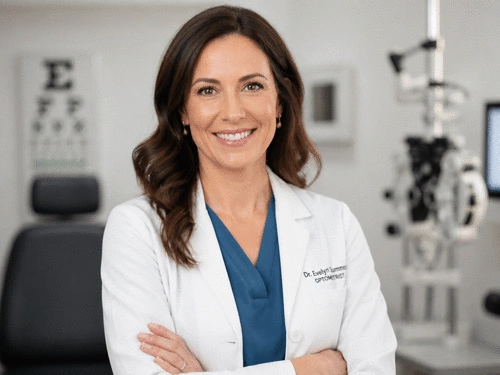
Dr. Evelyn Summers, OD is dedicated to providing comprehensive eye care and empowering her patients through knowledge and personalized consultations. At Genuine Eye Care, she ensures you receive the best care tailored to your unique needs, enhancing your vision clarity and protecting your long-term ocular health. Join her on our blog for insights and strategies for optimal eye care.
Doctor of Optometry. Ocular Health Specialist. Patient-centered care advocate.
Dr. Evelyn Summers, OD is dedicated to enhancing her patients' vision clarity and protecting long-term ocular health, empowering individuals and families to embrace a life of optimal sight. Join her on our blog for daily tips and tailored strategies that simplify your eye care journey and enhance your overall well-being.