Sep 24
Choosing the Right Eyewear for You
Your vision is your window to the world, but how well do you truly understand your options for enhancing it? Choosing between eyeglasses and contact lenses can feel overwhelming, especially when considering the specific needs of your eyes. Let’s break down essential insights to empower your decision-making process in visual care.
What You Will Learn
- A comprehensive eye exam is vital for understanding your specific vision needs, including conditions like myopia, hyperopia, astigmatism, and presbyopia.
- Lifestyle factors, such as physical activity and screen time, significantly influence whether eyeglasses or contact lenses are more suitable for you.
- Choosing the right eyeglass frames involves considering fit, shape, material, and color to ensure both comfort and style.
- Different lens types and coatings, such as anti-reflective and blue light blocking, can enhance your visual comfort and clarity.
- Contacts offer a wider field of vision and are often preferred for sports, while glasses provide easy maintenance and comfort for all-day wear.
Eyeglasses vs. Contact Lenses: Key Considerations
Making an informed choice between eyeglasses and contact lenses involves weighing various factors related to your vision needs, lifestyle, and preferences. This comparison highlights the essential aspects to consider for each option. For a deeper understanding of your eye health, consider reading about understanding comprehensive eye exams.
Eyeglasses: Advantages & Considerations
- ✓Ease of Maintenance: Less daily upkeep, easy to remove.
- ✓Cost: Higher upfront, but longer lifespan.
- ✓Style & Protection: Express personal style, physical barrier for eyes.
- ✓Less Invasive: No direct eye contact, lower infection risk.
Contact Lenses: Advantages & Considerations
- ✓Wider Field of Vision: Ideal for sports and active lifestyles.
- ✓Natural Feel: Glasses-free look and feel.
Understanding Your Vision Needs: Eyeglasses vs. Contact Lenses
When it comes to choosing between eyeglasses and contact lenses, understanding your vision needs is crucial. A comprehensive eye exam is the first step in this journey. At Genuine Eye Care, we believe that deciphering your unique prescription is essential for optimal vision health. Whether you’re dealing with myopia, astigmatism, or presbyopia, knowing how these conditions affect your sight can help guide your decision.
During your eye exam, I’ll evaluate your overall eye health and determine the best options for your needs. Each prescription type has its own characteristics, and understanding them can empower you to make informed choices about your vision care.

Evaluating Your Eye Health and Prescription
Understanding your specific eye condition is the foundation for making the right choice between glasses and contacts. Here are some key conditions to consider:
- Myopia: Difficulty seeing distant objects.
- Hyperopia: Trouble focusing on close items.
- Astigmatism: Distorted vision due to an irregularly shaped cornea.
- Presbyopia: Age-related difficulty focusing on close objects.
Each of these conditions may require different solutions. For example, astigmatism can often be corrected with specialized toric contact lenses, while presbyopia might benefit from multifocal glasses. Understanding your prescription can set you on the right path!
Comfort and Lifestyle Considerations
Your daily activities and lifestyle play a major role in deciding between glasses and contacts. Imagine this: if you’re an active person who enjoys sports or outdoor activities, you might find contacts to be more convenient. They offer a wider field of vision and won’t fog up or get in the way while you’re on the move.
On the other hand, if you prefer the easy accessibility of just slipping on a pair of glasses, that could be your go-to option. Here are some lifestyle factors to ponder when making your choice:
- Do you engage in a lot of physical activities?
- Are you in front of a screen for long periods? For tips on managing screen time, explore managing digital eye strain.
- Do you have a preference for low-maintenance options?
- How often do you want to change your eyewear style?
Reflecting on these aspects of your life can significantly influence your decision. At Genuine Eye Care, we're here to help tailor a vision plan that aligns with your unique needs!
Key Factors in Choosing Eyeglasses
Frame Fit and Style
Choosing the right eyeglass frames is not just about aesthetics; it’s also crucial for comfort and function. The fit of the frames on your face can enhance both your vision and your style. Here are some important factors to consider:
- Frame size: Ensure it fits well without pinching your nose or ears.
- Frame shape: Choose a shape that complements your face shape.
- Material: Consider lightweight materials for comfort.
- Color: Pick a color that reflects your personal style.
Finding the right balance between style and comfort can make a big difference in your daily wear. Plus, I love helping patients find frames that express their individuality while also enhancing their vision!
Lens Types and Coatings
Once you've selected your frames, the next step is choosing lenses that meet your specific visual needs. Different types of lenses come with various coatings that can enhance your visual experience:
- Anti-reflective coatings: Reduce glare from screens and sunlight.
- UV protection: Shield your eyes from harmful rays.
- Blue light blocking: Help prevent digital eye strain.
- Polarized lenses: Ideal for outdoor activities to reduce glare.
Choosing the right lenses and coatings can significantly improve your vision comfort and clarity. I always encourage my patients to think about their daily routines when selecting these options!
Exploring Frame Materials and Styles
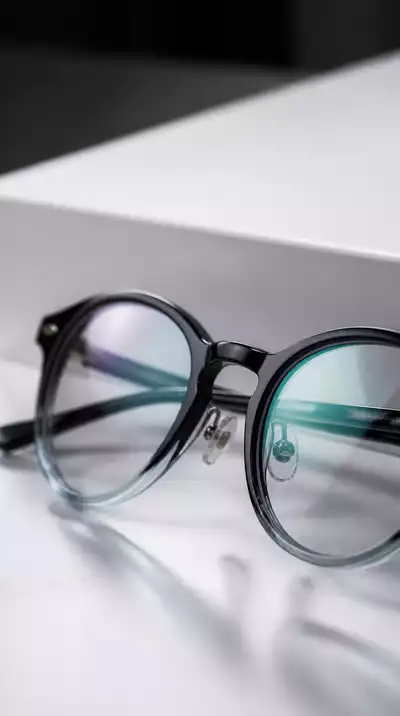
With so many frame materials available, it’s essential to choose one that suits your lifestyle and preferences. Consider the following options:
- Plastic frames: Lightweight and available in various colors.
- Metal frames: Durable and often more adjustable.
- Wooden frames: Unique and eco-friendly but may require special care.
- Flexible materials: Great for active lifestyles as they can withstand bending.
Finding the right material can ensure your frames last longer while keeping you comfortable. At Genuine Eye Care, I’m always excited to explore styles that match your face shape and personal flair! For more guidance, check out our article on choosing frames for your face.
Pro Tip
Did you know? Regularly updating your eyewear can significantly enhance your visual comfort and clarity. Whether you opt for glasses or contacts, consider revisiting your eye care professional every year to ensure your prescription is up-to-date and tailored to your lifestyle needs!
Frequently Asked Questions About Vision Care
What is the first step in choosing between eyeglasses and contact lenses?
The first step is to undergo a comprehensive eye exam to understand your specific vision needs and any underlying conditions like myopia, hyperopia, astigmatism, or presbyopia.
How do lifestyle factors influence the choice between glasses and contacts?
Lifestyle factors such as physical activity levels and screen time significantly impact the choice. Active individuals may prefer contact lenses for their wider field of vision, while those who spend a lot of time in front of screens might find eyeglasses with blue light blocking coatings more suitable.
What should I consider when choosing eyeglass frames?
When choosing eyeglass frames, consider the frame size, shape (to complement your face), material (e.g., lightweight for comfort), and color (to express personal style). Comfort and functionality are as important as aesthetics.
What types of lens coatings are available and what do they do?
Common lens coatings include anti-reflective (to reduce glare), UV protection (to shield eyes from harmful rays), blue light blocking (to prevent digital eye strain), and polarized lenses (ideal for reducing glare from reflective surfaces outdoors).
What are the main advantages of contact lenses over eyeglasses?
Contact lenses offer a wider field of vision, are often preferred for sports and active lifestyles, and provide a natural, glasses-free look and feel. However, they require careful daily hygiene and ongoing replacement expenses.
What are the main advantages of eyeglasses over contact lenses?
Eyeglasses are easy to maintain, have a higher upfront cost but a longer lifespan, offer style and physical protection for the eyes, and are less invasive with a lower risk of infection. They can also be easily removed.
Summarizing Your Options: Glasses or Contacts?
When it comes to choosing between eyeglasses and contact lenses, it's essential to consider the unique factors that impact your vision needs. Both options have their advantages and can cater to different lifestyles, but understanding the key differences can help you make an informed choice. Here's a quick rundown of considerations for each:
- Comfort: Contacts may feel more natural for those who prefer a glasses-free look, while glasses can be easily removed and are often more comfortable for all-day wear.
- Maintenance: Glasses require less daily upkeep, while contacts demand careful hygiene and storage practices to ensure eye health.
- Cost: Eyeglasses typically have a higher upfront cost, but they can last longer, whereas contact lenses may involve ongoing replacement expenses.
- Visual Clarity: Contacts provide a wider field of vision and can be advantageous for sports, while glasses can sometimes distort peripheral vision.
Ultimately, your decision should reflect your personal preferences, lifestyle, and specific vision requirements. At Genuine Eye Care, I encourage my patients to weigh these factors carefully during our consultations.
Encouraging Informed Choices for Vision Care
Your vision is not just about seeing clearly; it's about enhancing your quality of life! I invite you to reflect on your daily activities and how they influence your eye care choices. Ask yourself: Do you lead an active lifestyle that might benefit from contacts? Or do you prefer the convenience of glasses that you can easily put on and take off?
Taking an active role in your eye care decisions is vital for maintaining optimal ocular health. I encourage you to reach out to us at Genuine Eye Care to schedule an eye exam or consultation. Together, we can explore the best options tailored to your individual needs and lifestyle. Don’t wait—your vision deserves the best care possible!
Recap of Key Points
Here is a quick recap of the important points discussed in the article:
- Understanding Vision Needs: A comprehensive eye exam is essential for determining the best vision solutions tailored to conditions like myopia, hyperopia, astigmatism, and presbyopia.
- Comfort and Lifestyle: Consider your daily activities when choosing between glasses and contacts; contacts may suit active lifestyles, while glasses offer easy accessibility.
- Choosing Eyeglass Frames: Focus on fit, style, material, and color to ensure comfort and express your personality.
- Lens Types and Coatings: Select lenses with appropriate coatings to enhance visual comfort and clarity based on your daily routines.
- Informed Decision-Making: Weigh the pros and cons of glasses versus contacts, considering factors like comfort, maintenance, cost, and visual clarity.

Dr. Evelyn Summers, OD
Dedicated Doctor of Optometry. Passionate about enhancing vision and ocular health. Patient-centered approach.
Dr. Evelyn Summers, OD is dedicated to providing comprehensive eye care and empowering her patients through knowledge and personalized consultations. At Genuine Eye Care, she ensures you receive the best care tailored to your unique needs, enhancing your vision clarity and protecting your long-term ocular health. Join her on our blog for insights and strategies for optimal eye care.