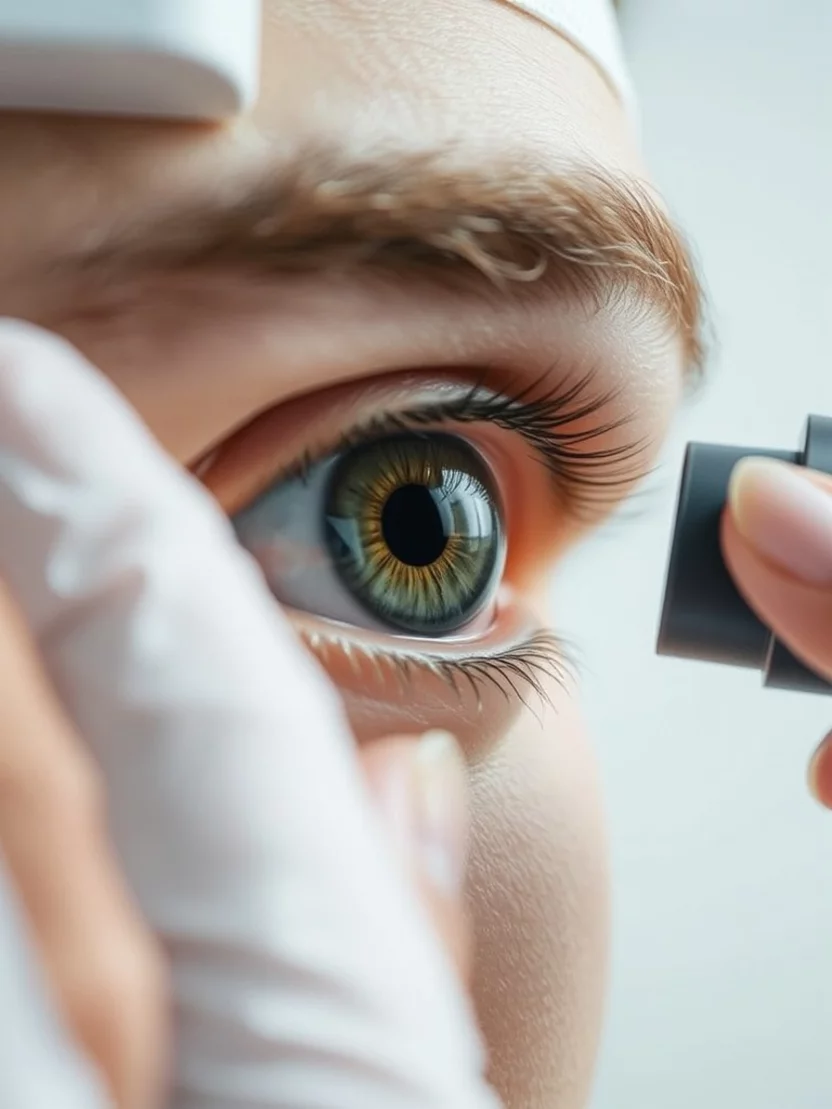
Purpose of Dilated Eye Exams
Direct Visualization: Immediate assessment to closely examine the retina, optic nerve, and blood vessels.
Imaging Methods (OCT): Provides detailed, high-resolution images for in-depth analysis and early detection.
Welcome to Genuine Eye Care! Your vision, our priority.
Jun 25
Regular eye exams are not just a routine; they are crucial for preserving your vision, especially for diabetics. Think about the long-term impact of your eye health—are you taking the necessary steps to protect it?
Understanding the importance of regular dilated eye exams can be a game-changer for diabetic patients. These exams are essential for early detection and prevention of serious eye conditions, ensuring long-term vision health.
Direct Visualization: Immediate assessment to closely examine the retina, optic nerve, and blood vessels.
Imaging Methods (OCT): Provides detailed, high-resolution images for in-depth analysis and early detection.
Progressive Vision Loss: Diabetic retinopathy is often 'silent' in early stages, leading to severe issues if untreated.
Surgical Intervention: Advanced complications like retinal detachment may require invasive surgery.
Increased Healthcare Costs: Managing advanced conditions is often more expensive.
As a doctor of optometry, I often emphasize the significance of dilated eye exams, particularly for my diabetic patients. These exams are crucial for maintaining ocular health and preventing serious complications. Have you ever wondered why they are so important? Let’s dive into the details!
A dilated eye exam allows us to get a clear view of the retina, optic nerve, and blood vessels in your eye. During this procedure, I will place drops in your eyes to widen your pupils, giving us a better look at any potential issues. The primary purpose is to detect early signs of diabetic retinopathy and other ocular conditions.
By using advanced technology, we can identify abnormalities that may not be visible during a standard eye exam. This proactive approach ensures that we address any concerns before they escalate, protecting your long-term vision health. For a deeper dive into protecting your vision, consider learning more about understanding dry eye relief options, which can also impact overall ocular comfort.
In my practice at Genuine Eye Care, we utilize both direct visualization and imaging methods like OCT (Optical Coherence Tomography). Direct visualization involves looking through a special lens to examine the retina closely, while imaging methods create detailed pictures of the eye’s internal structures. Both techniques offer valuable insights into your eye health.
Together, these methods improve our ability to monitor and maintain your ocular health effectively. It’s a comprehensive approach that I believe is vital for all my diabetic patients.
Diabetic retinopathy often develops without noticeable symptoms in its early stages, earning it the nickname "silent thief of sight." This makes routine screenings even more critical for diabetic patients. As your optometrist, I want to ensure that you understand the importance of these examinations.
Early detection can mean the difference between preserving your vision and facing severe complications. Regular visits to Genuine Eye Care can help us catch any changes in your eyes early on!
Failing to detect diabetic retinopathy in its early stages can lead to significant vision loss. As the condition progresses, complications like retinal detachment or severe bleeding can occur. These outcomes may necessitate more invasive treatments or even lead to blindness.
That’s why I always encourage my patients to prioritize their eye health and schedule regular dilated exams. It’s a small step to protect your vision.
Diabetic eye disease encompasses more than just diabetic retinopathy. It can also include cataracts and glaucoma, conditions that can develop more rapidly in individuals with diabetes. Understanding these implications is essential for managing your overall health.
By staying informed and maintaining regular check-ups, you empower yourself to make better healthcare decisions. Together, we can develop a personalized plan that supports your eye health and overall well-being. For a more general understanding of eye care, you might find our article on understanding the doctor of optometry informative.
Did you know? Consistently monitoring your blood sugar levels can have a profound impact on your eye health? By keeping your diabetes under control, you can significantly reduce the risk of developing serious eye conditions like diabetic retinopathy. Make it a habit to check your levels regularly and maintain a healthy lifestyle to support your vision!
As a dedicated doctor of optometry, I cannot stress enough how crucial annual dilated eye exams are for diabetic patients. These exams are not just routine checks; they play a pivotal role in monitoring and maintaining your eye health. Did you know that regular screening can catch potential issues before they become serious? This proactive approach is vital for preserving your vision and overall quality of life.
The connection between diabetes management and eye health is profound. When we manage our blood sugar levels, we also protect our vision. This is why staying consistent with eye exams is essential. They allow us to assess any changes in your retina and detect diabetic retinopathy early. So, are you ready to prioritize your eye care?
Understanding the need for regular examinations can be a game changer. Here’s why:
At Genuine Eye Care, we emphasize the importance of these check-ups. They are not just a part of your diabetes management; they are essential for your long-term ocular health.
Now that you understand the significance of dilated eye exams, it’s time to take action! Booking your eye exam can be a simple process, but knowing what to expect can make it even smoother.
When it comes to scheduling your appointment, here are a few key points to keep in mind:
Being informed can make your visit more comfortable and productive. I encourage you to reach out to us at Genuine Eye Care if you have any concerns or need assistance in booking your appointment!
It’s essential to understand how much your eye exam will cost and what your insurance will cover. This knowledge can help alleviate any financial stress and encourage you to prioritize your vision care. Here are some tips to navigate the costs:
Once you’re equipped with this information, you’ll feel more empowered to take charge of your eye health! For more details on this, take a look at our guide on eye exam costs and savings.
Education is a powerful tool in managing your eye health. Knowing where to find reliable information can support your journey and improve your understanding of diabetic eye disease.
Here are some trustworthy sources to consider:
Staying informed means you can make better decisions about your care!
Your healthcare team is here to support you. Regular conversations with them about your eye health are just as crucial as discussing your blood sugar levels. By collaborating with your optometrist and primary care physician, you can create a comprehensive care plan.
At Genuine Eye Care, we prioritize patient education. We believe that understanding diabetic eye disease and its prevention strategies will empower you to take proactive steps. Whether it’s through our consultations or informative resources, we’re here to guide you.
So, let’s work together to ensure your vision remains clear and healthy for years to come!
Here is a quick recap of the important points discussed in the article:
Dedicated Doctor of Optometry. Passionate about enhancing vision and ocular health. Patient-centered approach.
Dr. Evelyn Summers, OD is dedicated to providing comprehensive eye care and empowering her patients through knowledge and personalized consultations. At Genuine Eye Care, she ensures you receive the best care tailored to your unique needs, enhancing your vision clarity and protecting your long-term ocular health. Join her on our blog for insights and strategies for optimal eye care.
Doctor of Optometry. Ocular Health Specialist. Patient-centered care advocate.
Dr. Evelyn Summers, OD is dedicated to enhancing her patients' vision clarity and protecting long-term ocular health, empowering individuals and families to embrace a life of optimal sight. Join her on our blog for daily tips and tailored strategies that simplify your eye care journey and enhance your overall well-being.