Jun 07
Understanding Dry Eye Relief Options
As we navigate through our increasingly digital lifestyles, the importance of understanding eye health cannot be overstated. With dry eye syndrome affecting millions, recognizing the symptoms and causes can empower you to take control of your ocular comfort and overall well-being.
What You Will Learn
- Key symptoms of dry eye include persistent dryness, burning sensations, and blurred vision.
- Environmental factors, such as low humidity and excessive screen time, can exacerbate dry eye symptoms.
- Chronic dry eye can be linked to underlying health conditions like autoimmune disorders and hormonal changes.
- Proactive management strategies, including home remedies and regular eye exams, are essential for effective relief.
Dry Eye Syndrome: Symptoms and Contributing Factors
Understanding the key indicators of dry eye and the factors that exacerbate it can help in proactive management. For a more comprehensive understanding of your eye health, consider scheduling comprehensive eye exams regularly.
Common Dry Eye Symptoms
- •Persistent dryness & irritation
- •Stinging or burning sensations
- •Red or inflamed eyes
- •Intermittent blurred vision
Environmental & Lifestyle Triggers
- •Prolonged screen time & digital eye strain
- •Infrequent blinking on devices
- •Low humidity & air conditioning
- •Exposure to smoke & dust
Systemic & Age-Related Factors
- •Autoimmune disorders (e.g., Sjögren's)
- •Thyroid issues impacting eye health
- •Medications reducing tear production
- •Hormonal changes (e.g., menopause)
Pathways to Long-Lasting Relief
- •Home remedies as initial defense
- •Regular symptom monitoring
- •Professional evaluations for personalized plans
- •Creating a personal symptom checklist
Understanding Dry Eye: Key Symptoms and Causes
Dry eye syndrome is a common condition that affects many people, often leading to discomfort and interference with daily activities. As a passionate doctor of optometry, I frequently encounter patients who are unsure if they have this condition. By familiarizing yourself with the key symptoms and causes of dry eye, you can take proactive steps towards relief and improved ocular health.
Many individuals may overlook the signs of dry eye, mistaking them for simple fatigue or allergies. However, recognizing the symptoms is crucial for effective management. Let's explore some common indicators of dry eye syndrome!
Identifying Common Dry Eye Symptoms
Recognizing Signs: Dryness, Irritation, and Burning
One of the initial signs of dry eye is a persistent feeling of dryness and irritation. Patients often describe it as a sandy or gritty sensation in their eyes. Alongside this, you might experience burning sensations that can be quite bothersome. Understanding these symptoms can help in identifying when it's time to seek further assistance.
- Dryness in the eyes
- Stinging or burning sensations
- Red or inflamed eyes
Noticing these symptoms early on can make a significant difference. Many patients report that addressing these signs leads to better comfort and overall well-being.
Impact of Blurred Vision on Daily Life
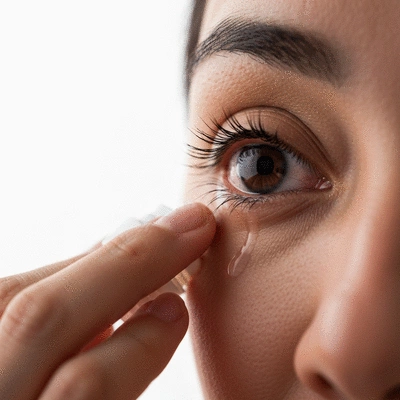
Blurred vision can be another frustrating symptom of dry eye. When your tears are insufficient to keep the eye’s surface smooth, vision clarity can diminish, making everyday tasks challenging. Have you ever struggled to read a text or see the computer screen clearly? This can certainly affect productivity and quality of life.
Addressing blurry vision early can be vital. If you find yourself frequently squinting or experiencing vision fluctuations, I encourage you to discuss these symptoms during your next visit to Genuine Eye Care. Together, we can explore solutions tailored to your needs!
Exploring Environmental and Lifestyle Triggers
How Screen Time and Digital Eye Strain Contribute to Dry Eyes
In today’s digital age, increased screen time is a prevalent issue that contributes to dry eye symptoms. Prolonged exposure to screens can lead to digital eye strain, causing discomfort and exacerbating dryness. Are you spending hours in front of your computer or phone? You’re likely not alone!
- Prolonged screen use
- Infrequent blinking while looking at digital devices
- Improper lighting and glare on screens
By being aware of these triggers, you can take steps to minimize their impact. Simple adjustments, like taking regular breaks and practicing the 20-20-20 rule, can make a real difference! You might also consider choosing lenses specifically designed for digital eye strain to further alleviate discomfort.
The Role of Humidity and Environmental Irritants in Dry Eye Syndrome
Environmental conditions also play a significant role in developing dry eye. Low humidity, air conditioning, and exposure to smoke or dust can aggravate symptoms. Have you noticed your symptoms worsening in certain settings? Understanding how these factors interact with your ocular health is essential for proper management.
By taking a proactive approach and discussing these environmental factors during your eye exams at Genuine Eye Care, we can work together to find effective solutions tailored to your lifestyle!
Understanding Chronic Dry Eye and Ocular Surface Disease
Identifying Systemic Conditions and Their Impact on Tear Production
Chronic dry eye can sometimes be linked to underlying systemic conditions, such as autoimmune diseases or hormonal imbalances. These conditions can significantly affect tear production and ocular surface health. If you have a chronic condition, it's worth discussing this with your optometrist.
- Autoimmune disorders like Sjögren's syndrome
- Thyroid issues impacting eye health
- Medications that reduce tear production
By identifying these systemic issues, we can address the root causes of your dry eye symptoms, leading to more effective treatment strategies.
How Hormonal Changes and Aging Affect Eye Health
As we age, our bodies undergo various hormonal changes that can influence eye health. For example, many women experience dry eyes during menopause due to hormonal fluctuations. Have you noticed changes in your eye comfort as you age? Understanding these connections is crucial for managing your ocular health.
At Genuine Eye Care, I prioritize patient education. By discussing these factors comprehensively, we can create a personalized vision care plan that addresses not just your symptoms but also the underlying causes. Learning more about the role of a Doctor of Optometry can further enhance your understanding of eye care.
We Want to Hear From You!
How do you manage your screen time to reduce the risk of dry eye symptoms? Share your tips or experiences below:
Frequently Asked Questions About Dry Eye Syndrome
What are the key symptoms of dry eye syndrome?
Key symptoms include persistent dryness, irritation, stinging or burning sensations, redness, and intermittent blurred vision. Patients often describe a sandy or gritty feeling in their eyes.
Can screen time worsen dry eye symptoms?
Yes, prolonged screen time and digital eye strain are significant contributors to dry eye. Infrequent blinking while using devices and improper lighting can exacerbate symptoms.
What environmental factors contribute to dry eye?
Low humidity, air conditioning, and exposure to environmental irritants like smoke and dust can significantly aggravate dry eye symptoms.
Are there underlying health conditions linked to chronic dry eye?
Yes, chronic dry eye can be associated with systemic conditions such as autoimmune disorders (e.g., Sjögren's syndrome), thyroid issues, and certain medications that reduce tear production. Hormonal changes, particularly during menopause, can also play a role.
What are the initial steps for managing dry eye?
Initial steps include using home remedies for immediate relief, regularly monitoring your symptoms, and being aware of environmental and lifestyle triggers. If symptoms persist or worsen, professional evaluation is crucial.
Summarizing the Journey from Symptoms to Treatment
As we reflect on the journey of managing dry eye, it’s essential to understand that relief can be found through a variety of approaches. From recognizing symptoms to exploring effective treatments, each step in this process is vital for restoring comfort and vision clarity. At Genuine Eye Care, we believe in empowering our patients with the knowledge they need to make informed decisions about their eye health.
By summarizing the key aspects of dry eye management, we can create a clearer path towards effective relief. Remember, you’re not alone in this journey; many others are seeking the same information and solutions to enhance their ocular comfort.
Key Takeaways on Dry Eye Management
When it comes to dry eye, understanding the spectrum of care is crucial. You should feel confident knowing that there are effective strategies that range from simple home care to professional interventions when necessary.
- Home remedies can offer immediate relief and should be the first line of defense.
- Regular monitoring of your symptoms helps identify any escalating issues.
- Professional evaluations are important for personalized treatment plans.
As you manage your dry eye symptoms, keep in mind the importance of seeking professional care when symptoms persist or worsen. The sooner you act, the better your chances of finding lasting relief.

Next Steps: Finding Long-Lasting Relief for Dry Eyes
Now that you have a better understanding of your options, it’s time to take actionable steps towards improving your eye health. One effective way to stay on track is by creating your personal symptom severity checklist.
- Document the frequency and intensity of your symptoms.
- Note any specific triggers you encounter, such as screen time or environmental factors.
- Keep track of the remedies you’ve tried and their effectiveness.
This checklist will not only help you communicate your experience clearly during your next visit to my office, but it also empowers you to take charge of your health. Additionally, don’t hesitate to utilize resources like our website at Genuine Eye Care to connect with me, Dr. Evelyn Summers. Together, we can create a tailored plan that suits your unique needs and lifestyle.
Recap of Key Points
Here is a quick recap of the important points discussed in the article:
- Key symptoms of dry eye include dryness, irritation, burning sensations, and blurred vision.
- Environmental factors such as prolonged screen time, low humidity, and exposure to irritants can exacerbate dry eye symptoms.
- Chronic dry eye can be linked to systemic conditions and hormonal changes, especially in aging populations.
- Home remedies are essential for immediate relief, and regular monitoring of symptoms is crucial for effective management.
- Seeking professional evaluations can lead to personalized treatment plans tailored to individual needs.

Dr. Evelyn Summers, OD
Dedicated Doctor of Optometry. Passionate about enhancing vision and ocular health. Patient-centered approach.
Dr. Evelyn Summers, OD is dedicated to providing comprehensive eye care and empowering her patients through knowledge and personalized consultations. At Genuine Eye Care, she ensures you receive the best care tailored to your unique needs, enhancing your vision clarity and protecting your long-term ocular health. Join her on our blog for insights and strategies for optimal eye care.