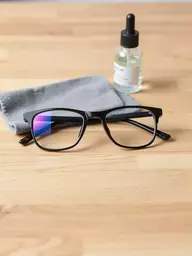
Anti-Reflective Coating
Reduces glare from digital devices, enhancing clarity and reducing eye fatigue during extended screen use.
Welcome to Genuine Eye Care! Your vision, our priority.
May 28
As we become increasingly reliant on screens for work and leisure, the strain on our eyes is at an all-time high. Understanding the implications of digital eye strain can empower you to take proactive steps towards better eye health. Here’s what you need to know.
To combat digital eye strain, specific eyeglass lens features can significantly enhance visual comfort and protection. These features are designed to mitigate the effects of prolonged screen time, and understanding your eyeglass prescription and lens fitting is crucial for optimal results.
Reduces glare from digital devices, enhancing clarity and reducing eye fatigue during extended screen use.
Filters harmful blue light emissions from screens, which can improve sleep quality and reduce eye discomfort.
Thinner and lighter, these are ideal for stronger prescriptions, offering better aesthetics and comfort for daily wear.
Adapt to changing light conditions, providing UV protection and reducing the need to switch between glasses.
In today’s technology-driven world, many of us spend countless hours in front of screens. This can lead to a common condition known as digital eye strain. Have you ever felt your eyes getting tired or uncomfortable after a lengthy session on your computer? You’re not alone! It’s a growing concern that affects many of my patients here at Genuine Eye Care.
Digital eye strain, often referred to as computer vision syndrome, encompasses a range of visual and physical symptoms resulting from prolonged screen time. Let’s dive into understanding what this condition involves and how it can impact your vision.
Digital eye strain is the discomfort experienced from extended use of screens—be it computers, tablets, or smartphones. This condition arises as our eyes struggle to focus on screens, which can lead to various symptoms that can affect your daily life.
With the rise of remote work and online activities, understanding and addressing digital eye strain has become more crucial than ever. By recognizing its symptoms early, you can take steps to alleviate the discomfort and enhance your overall well-being. Regular eye exams are also vital for monitoring your eye health and making necessary adjustments; for more information, consider reading about understanding comprehensive eye exams.
Have you ever noticed your eyes feeling sore after a long day at work? This sensation is a hallmark of eye fatigue. Symptoms can vary from mild to severe, and addressing the causes can help improve your comfort significantly.
Understanding these symptoms is essential for managing your eye health. By incorporating simple practices, such as taking regular breaks and adjusting your screen settings, you can combat eye fatigue effectively.
As we engage with our devices, the risk of developing computer vision syndrome escalates. This syndrome is not just a matter of discomfort; it reflects the strain our eyes endure from modern technology.
Recognizing the link between your screen habits and eye health is vital. I encourage my patients to evaluate their daily routines and make adjustments to minimize the effects of computer vision syndrome. Remember, your eyes deserve just as much care as any other part of your health!
Digital eye strain, also known as computer vision syndrome, is a group of eye- and vision-related problems that result from prolonged computer, tablet, e-reader, and cell phone use.
Common symptoms include dry eyes, blurred vision, headaches, neck and shoulder pain, and increased sensitivity to light.
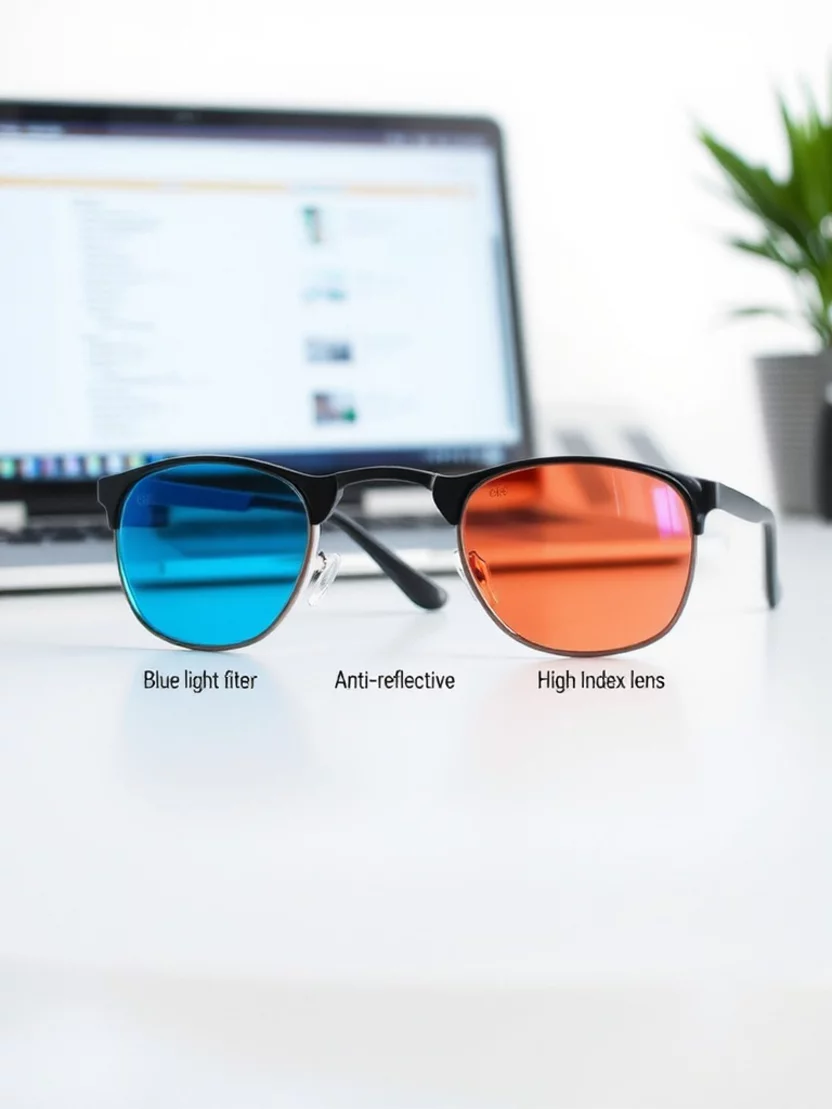
Specific lens features like anti-reflective coatings reduce glare, blue light blocking filters harmful blue light, and high-index lenses offer thinner, lighter options for stronger prescriptions, all enhancing visual comfort.
Blue light blocking lenses filter harmful blue light emitted from digital screens, which can improve sleep quality and reduce eye discomfort associated with prolonged screen exposure.
Regular eye exams are crucial for monitoring your eye health, detecting any underlying issues, and ensuring your prescription and lens choices are appropriate for your specific needs and screen time habits.
Have you experienced any symptoms of digital eye strain? Share your thoughts and experiences with us below:
As we wrap up our discussion on eyeglass lenses designed to combat digital eye strain, it's essential to recap the features that can significantly enhance your visual comfort. Selecting the right lenses can make a world of difference, especially for those of us who spend long hours in front of screens!
Here are some key features to consider when evaluating eyeglass lenses:
These features not only enhance your vision clarity but also protect your eyes from the effects of prolonged screen exposure. Remember, your eye care journey is personal, and understanding what works best for your unique lifestyle is crucial!
Choosing the right eyeglass lenses is a vital step in addressing digital eye strain. I often remind my patients at Genuine Eye Care that there’s no one-size-fits-all solution. Every individual has different needs based on their daily activities and screen time habits.
When considering your options, think about how you use your eyes throughout the day. Here are some questions to ponder:
By taking these factors into account, you can make an informed decision that not only improves your vision but also enhances your overall eye health. Additionally, consulting with an eye care professional can provide you with tailored advice that matches your specific needs, and can help you understand more about understanding the Doctor of Optometry's role in your eye care!
Once you've determined the right lens features for your needs, the next step is finding where to buy them. At Genuine Eye Care, we offer a selection of high-quality eyeglass lenses that cater to various lifestyles and preferences. But there are also trusted online retailers that provide a vast array of options.
Whether you prefer the personal touch of a local shop or the convenience of online shopping, make sure to choose a reputable source that stands by the quality of their products!
After exploring your options, I highly recommend scheduling an appointment with an eye care professional. A personalized consultation can help clarify which lenses will work best for you, taking into account your specific prescription and lifestyle needs.
Ask about:
At Genuine Eye Care, I’m here to ensure you receive the best advice tailored to your visual health, so don’t hesitate to reach out!
If you’re considering alternatives to traditional eyeglasses, contact lenses could be a great fit! They offer flexibility and convenience, especially for active individuals or those who find glasses cumbersome. However, it's vital to choose the right type to maintain eye health.
Whatever your preference, the key is to discuss your options with a qualified eye care provider. They will guide you in making the best choice for your eyes, ensuring you enjoy clear vision without compromising comfort or health!
Here is a quick recap of the important points discussed in the article:
Dedicated Doctor of Optometry. Passionate about enhancing vision and ocular health. Patient-centered approach.
Dr. Evelyn Summers, OD is dedicated to providing comprehensive eye care and empowering her patients through knowledge and personalized consultations. At Genuine Eye Care, she ensures you receive the best care tailored to your unique needs, enhancing your vision clarity and protecting your long-term ocular health. Join her on our blog for insights and strategies for optimal eye care.
Doctor of Optometry. Ocular Health Specialist. Patient-centered care advocate.
Dr. Evelyn Summers, OD is dedicated to enhancing her patients' vision clarity and protecting long-term ocular health, empowering individuals and families to embrace a life of optimal sight. Join her on our blog for daily tips and tailored strategies that simplify your eye care journey and enhance your overall well-being.