Sep 15
Causes of Blurred Vision Explained
Have you ever felt frustrated when the words on a page suddenly blur before your eyes? Blurred vision isn't just a minor inconvenience; it's a potential signal of serious eye health issues. Understanding the causes and implications of blurred vision is essential for proactive eye care and maintaining quality of life.
What You Will Learn
- Blurred vision can indicate various conditions, from minor refractive errors to serious health issues.
- Common causes include refractive errors, dry eye syndrome, cataracts, and diabetic retinopathy.
- Recognizing red flags, such as sudden vision changes, is crucial for timely medical intervention.
- Regular eye exams are vital for detecting underlying issues and ensuring optimal ocular health.
Common Causes & Red Flags of Blurred Vision
Understanding the various factors contributing to blurred vision, from common conditions to urgent red flags, is crucial for maintaining optimal eye health. For a deeper dive into preventive care, consider simple tips for eye comfort that can help mitigate daily strain.
Common Causes
Refractive Errors: Myopia, Hyperopia, Astigmatism
Dry Eye Syndrome & Cataracts
Glaucoma & Macular Degeneration
Red Flags - Seek Immediate Care
- ⚠ Sudden Flashes/Floaters (Retinal Detachment)
- ⚠ Weakness/Confusion (Stroke/TIA)
- ⚠ Eye Injuries (Prompt Action Needed)
Diagnosis Process Flow
1. Initial Vision Assessment
2. Refraction Tests (Prescription)
3. Slit Lamp & Retinal Imaging
4. Visual Acuity (Tonometry/Dilation)
Modern & Systemic Factors
- 💻 Digital Eye Strain (Screen Time)
- 💊 Medication Side Effects
- 🧑⚕️ Thyroid Eye Disease
- 🧠 Visual Processing Disorders
Understanding Blurred Vision: An Overview of Causes and Implications
Blurred vision can feel frustrating and alarming, but understanding its meaning is the first step toward addressing it. Essentially, blurred vision refers to a lack of clarity in what you see; objects may appear fuzzy or indistinct. This condition can sometimes be temporary, but it can also signal more serious eye health issues that need attention.
When was the last time you stopped to think about how your vision impacts your daily life? At Genuine Eye Care, I often remind my patients that even minor changes in vision can affect everything from reading to driving. That's why it's crucial to recognize the signs and seek help when necessary!
What Does Blurred Vision Mean?
When you experience blurred vision, it indicates that your eyes are not focusing properly. This can stem from a range of factors, including refractive errors or more complex systemic health issues. It's essential to understand that blurred vision is not merely an inconvenience; it can profoundly affect your quality of life.
- Difficulty reading or seeing fine details
- Challenges in recognizing faces from a distance
- Increased eye strain or discomfort during tasks
Each of these symptoms warrants a closer look. If you find yourself experiencing any of these signs, it might be time to schedule a visit to my office for a comprehensive eye examination.
Common Causes of Blurred Vision
There are various reasons you might experience blurred vision, ranging from simple refractive errors to more serious conditions. Here are some of the most common culprits:
- Refractive Errors: Myopia, Hyperopia, and Astigmatism
- Dry Eye Syndrome: Symptoms and Treatment Options
- Cataracts: When and How They Affect Vision
- Glaucoma: Understanding This Silent Vision Thief
- Macular Degeneration: Age-Related Vision Changes
- Diabetic Retinopathy: A Complication of Diabetes to Watch
- Medication Side Effects: Common Culprits
Each of these conditions can lead to blurred vision in different ways. It’s important to understand how they affect your sight so you can effectively communicate your concerns during your next visit to Genuine Eye Care.
Refractive Errors: Myopia, Hyperopia, and Astigmatism
Refractive errors are the most common causes of blurred vision. Myopia (nearsightedness), hyperopia (farsightedness), and astigmatism can all lead to difficulties in seeing clearly. If you're unsure what your current prescription is, a simple eye exam can help clarify your vision needs.
At my practice, I emphasize the importance of regular eye exams to catch these issues early. Many patients are surprised to learn how much clearer their world can be with the right lenses!
Dry Eye Syndrome: Symptoms and Treatment Options
Dry eye syndrome occurs when your eyes don’t produce enough tears or the right quality of tears. This can lead to discomfort, redness, and, you guessed it—blurred vision! Fortunately, there are various treatment options available, from artificial tears to prescription medications. For more detailed information, explore understanding dry eye relief options.
It's essential to discuss any symptoms with me during your appointment, so we can find a tailored solution that works for you.
Cataracts: When and How They Affect Vision
Cataracts develop when the lens of your eye becomes cloudy, leading to blurred vision. This condition often develops slowly and is common in older adults. If you notice a gradual increase in difficulty seeing at night or experiencing glare, it may be time for an evaluation.
Glaucoma: Understanding This Silent Vision Thief
Glaucoma is often referred to as the "silent thief of sight" because it can develop without noticeable symptoms until significant vision loss occurs. Regular eye exams are crucial for early detection, especially if you have a family history of this condition.
Macular Degeneration: Age-Related Vision Changes
Age-related macular degeneration (AMD) affects the central part of your vision and can lead to significant visual impairment. If you're over 50, discuss any changes with me, as early diagnosis can help manage symptoms.
Diabetic Retinopathy: A Complication of Diabetes to Watch
For those with diabetes, blurred vision can often signal diabetic retinopathy, a serious complication that can lead to vision loss. Understanding your risk and maintaining regular check-ups is vital for preserving your sight.
Medication Side Effects: Common Culprits
Sometimes, blurred vision can be a side effect of certain medications. If you’ve recently started a new medication and notice changes in your vision, it’s essential to consult with your healthcare provider or schedule a visit with me at Genuine Eye Care.
Red Flags: When Blurred Vision Signals a Serious Condition
While many causes of blurred vision are manageable, some can be serious. Recognizing the red flags is crucial for ensuring your ocular health.
- Understanding Retinal Detachment: Symptoms and Urgency
- Recognizing Stroke and Transient Ischemic Attack (TIA) Signs
- Eye Injuries: Immediate Actions and Concerns
- Migraine and Blurred Vision: What You Need to Know
If you experience sudden changes in your vision, it’s vital to seek medical attention promptly. Early intervention can make all the difference!
Understanding Retinal Detachment: Symptoms and Urgency
Retinal detachment occurs when the retina separates from the back of the eye, leading to permanent vision loss if not treated quickly. Symptoms include sudden flashes of light, floaters, or a shadow over your vision. If you notice any of these signs, please contact my office immediately.
Recognizing Stroke and Transient Ischemic Attack (TIA) Signs
It’s essential to be aware that blurred vision can also indicate a stroke or TIA. Other symptoms may include weakness on one side of the body, confusion, or difficulty speaking. If you suspect a stroke, reach out for emergency help right away!
Eye Injuries: Immediate Actions and Concerns
Should you experience an eye injury, knowing the appropriate immediate actions can help protect your vision. Avoid rubbing the eye, and seek professional help as soon as possible. At Genuine Eye Care, we’re equipped to handle various eye emergencies.
Migraine and Blurred Vision: What You Need to Know
Some individuals experience blurred vision as a symptom of migraines. If you notice your vision changes during a headache, it might be worth discussing with me to explore treatment options.
How Systemic Diseases and Neurological Disorders Impact Blurred Vision
Many systemic diseases and neurological disorders can also contribute to blurred vision. Understanding these connections can empower you to advocate for your eye health.
- Thyroid Eye Disease: Connecting Hormones to Vision Changes
- Understanding Visual Processing Disorders and Their Effect on Clarity
At Genuine Eye Care, I’m dedicated to providing the education and support you need. Recognizing the broader implications of your eye health is a vital part of our patient-centered approach.
Thyroid Eye Disease: Connecting Hormones to Vision Changes
This condition can cause inflammation and swelling around the eyes, leading to blurred vision. If you have thyroid issues, it’s crucial to monitor your ocular health closely, as early intervention can help mitigate symptoms.
Understanding Visual Processing Disorders and Their Effect on Clarity
Visual processing disorders affect how your brain interprets visual information, leading to difficulties in clarity and understanding. If you suspect this might be an issue, I encourage you to reach out for a thorough examination.
We Want to Hear From You!
Have you ever experienced sudden blurred vision? If so, how did you respond? Share your thoughts and experiences with us below:
How Optometrists Diagnose Blurred Vision Issues
When it comes to understanding the causes of blurred vision, seeing an optometrist is a crucial step. During your visit to Genuine Eye Care, you can expect a comprehensive eye exam tailored to your specific needs. This examination not only identifies the underlying issues causing your blurred vision but also allows us to offer personalized treatment plans aimed at improving your ocular health.
The experience should be reassuring and informative, helping you feel empowered about your vision health. So, what does a typical eye exam entail?
What to Expect During an Eye Exam
During your eye exam, we will conduct various tests to evaluate your vision and eye health. Here’s a breakdown of the key components that you might encounter:
- Refraction Tests: These tests help determine your prescription for glasses or contact lenses.
- Slit Lamp and Retinal Imaging: These advanced examinations allow us to see the structures of your eyes in detail.
- Visual Acuity Testing: We measure your clarity of vision using tonometry and pupil dilation to check for intraocular pressure and overall eye health.

Each of these tests plays a significant role in diagnosing the cause of your blurred vision. The detailed insights we gather will guide us in developing an appropriate treatment strategy tailored specifically for you!
Refraction Tests: Why They Matter
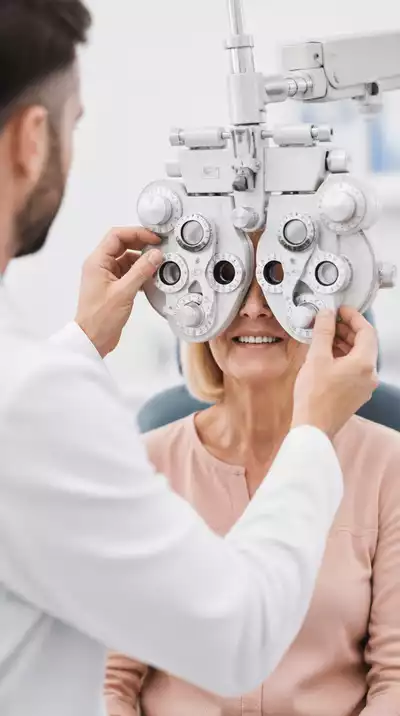
Refraction tests are essential for understanding how well you see and identifying any vision problems. During this test, we use a phoropter to adjust lenses until we find the combination that gives you the sharpest vision. This personalized assessment is crucial for crafting your glasses or contact lens prescription.
Many patients report significant improvements in their vision clarity after these tests! It's an enlightening experience that highlights how even small changes can make a big difference in your daily life.
Slit Lamp and Retinal Imaging: In-Depth Examinations
The slit lamp exam is another vital part of your eye evaluation. This tool allows us to examine your eyes under high magnification, helping identify any issues with the front and back of your eye. Retinal imaging offers a deeper look into your eye health by capturing detailed photos of your retina.
These advanced imaging techniques can reveal underlying conditions like macular degeneration or diabetic retinopathy early, ensuring timely intervention!
Visual Acuity Testing: Measuring Clarity with Tonometry and Pupil Dilation
Visual acuity testing measures how well you can see at various distances. This is often combined with tonometry, which measures the pressure inside your eye, and pupil dilation, allowing us to see the retina clearly. Together, these tests help us assess your overall eye health and identify potential problems.
Don't hesitate to ask questions during your exam! I'm here to provide answers and help you understand the importance of each step in the process.
Conditions an Optometrist Can Diagnose in Office
As an experienced optometrist, I can diagnose a range of conditions right in our office. Here are some common eye problems we often identify:
- Conjunctivitis (pink eye)
- Amblyopia (lazy eye)
- Dry Eye Syndrome
- Glaucoma
- Cataracts
Each of these conditions can lead to blurred vision if left untreated. At Genuine Eye Care, we focus on providing treatment plans that address these issues effectively, ensuring that your vision remains clear and healthy.
Knowing When a Referral is Necessary: Eye Specialists and Emergencies
While we can diagnose and treat many conditions, some situations require the expertise of an eye specialist. If we identify a severe issue or need advanced treatment, I will refer you to an ophthalmologist or another specialist. This collaborative approach ensures that you receive the best care possible for your unique situation.
Being proactive is key! Regular eye exams allow us to catch potential issues early, and knowing when to seek specialized care can be life-changing.
Modern Causes of Blurred Vision: Digital Eye Strain and Environment
In today's digital age, many of us spend hours staring at screens, which can lead to blurred vision due to digital eye strain. It's essential to understand the environmental factors that contribute to this common problem:
- Extended screen time without breaks
- Improper lighting conditions
- Inadequate screen distance or angle
By adjusting your environment and implementing some simple habits, you can reduce the impact of digital eye strain on your vision. Have you considered how your workspace affects your eyes?
Workplace Factors Contributing to Blurred Vision
Many workplace factors can lead to blurred vision, such as insufficient lighting, glare from screens, and poor posture. Taking regular breaks, adjusting your screen height, and ensuring proper lighting can significantly improve your comfort and clarity.
At Genuine Eye Care, we encourage you to create a workspace that prioritizes your eye health. Simple changes can make a world of difference!
Contact Lens Issues: Maintenance and Care Tips for Healthy Vision
If you wear contact lenses, proper maintenance is crucial for clear vision. Here are some tips to ensure healthy contact lens use:
- Always wash your hands before touching lenses.
- Use the recommended solutions for cleaning and storing your lenses.
- Follow the prescribed wearing schedule to avoid irritation.
By staying diligent with your contact lens care, you can avoid complications that might contribute to blurred vision. Remember, your eyes deserve the best care!
Eye Health Education: Understanding Preventive Eye Care
Preventive eye care is essential for maintaining optimal vision health. At Genuine Eye Care, we believe in empowering our patients with the knowledge they need to protect their vision. One way to do this is by encouraging the use of eye supplements and UV protection.
Here’s how these practices can benefit your eye health:
- Eye Supplements: Nutrients like Omega-3 fatty acids and lutein can support overall eye health.
- UV Protection: Wearing sunglasses that block UV rays can prevent damage from sun exposure.
Incorporating these practices into your daily routine can help preserve your vision for years to come! It’s all about making choices that prioritize your eye health.
Frequently Asked Questions About Blurred Vision
What does blurred vision indicate?
Blurred vision indicates a lack of clarity in what you see, where objects may appear fuzzy or indistinct. It can be caused by various factors, ranging from common refractive errors to more serious underlying eye conditions or systemic health issues.
What are the most common causes of blurred vision?
Common causes of blurred vision include refractive errors (myopia, hyperopia, astigmatism), dry eye syndrome, cataracts, glaucoma, macular degeneration, diabetic retinopathy, and side effects from certain medications.
When should I seek immediate medical attention for blurred vision?
You should seek immediate medical attention if you experience red flags such as sudden flashes of light or floaters (potential retinal detachment), sudden weakness or confusion (potential stroke/TIA), or any eye injury. These symptoms can indicate serious conditions requiring urgent care.
How do optometrists diagnose the cause of blurred vision?
Optometrists diagnose blurred vision through a comprehensive eye exam, which typically includes refraction tests to determine prescription needs, slit lamp and retinal imaging for detailed eye structure examination, and visual acuity testing with tonometry and pupil dilation to assess overall eye health and intraocular pressure. For more information, read about understanding comprehensive eye exams.
Can digital eye strain cause blurred vision?
Yes, prolonged screen time without breaks, improper lighting conditions, and inadequate screen distance or angle can lead to digital eye strain, a common modern cause of temporary blurred vision. Adjusting your environment and taking regular breaks can help alleviate these symptoms.
Recap of Key Points
Here is a quick recap of the important points discussed in the article:
- Blurred vision can indicate a range of issues from refractive errors to serious conditions.
- Common causes include myopia, hyperopia, astigmatism, dry eye syndrome, and cataracts.
- Recognizing red flags such as sudden vision changes is crucial for timely medical intervention.
- Regular eye exams are essential for maintaining eye health and addressing potential issues early.
- Preventive measures like proper screen time management and UV protection can enhance vision health.

Dr. Evelyn Summers, OD
Dedicated Doctor of Optometry. Passionate about enhancing vision and ocular health. Patient-centered approach.
Dr. Evelyn Summers, OD is dedicated to providing comprehensive eye care and empowering her patients through knowledge and personalized consultations. At Genuine Eye Care, she ensures you receive the best care tailored to your unique needs, enhancing your vision clarity and protecting your long-term ocular health. Join her on our blog for insights and strategies for optimal eye care.