Children (6 months - 18 years)
First Exam: At 6 months old.
Toddlers & Preschoolers: At 3 years old, then annually.
School-aged (6-18): Annually before school starts.
Frequency: Annually
Welcome to Genuine Eye Care! Your vision, our priority.
Jun 21
When was the last time you checked in on your eye health? Many people overlook routine eye exams, but they hold the key to maintaining clear vision and preventing serious issues down the line. Don’t wait until it’s too late—let’s discover why making these visits a priority is essential!
Understanding recommended eye exam schedules is crucial for maintaining vision health across all life stages. For a deeper dive into what these exams entail, read our article on understanding comprehensive eye exams.
First Exam: At 6 months old.
Toddlers & Preschoolers: At 3 years old, then annually.
School-aged (6-18): Annually before school starts.
Low Risk: Every 1-2 years.
Contact Lens Wearers: Annually.
High Risk (diabetes, family history): Annually, or as recommended.
All Seniors: Annually.
High Risk (glaucoma, macular degeneration): More frequent monitoring (every 6 months or as advised).
At Genuine Eye Care, we believe that regular eye exams are a cornerstone of maintaining optimal vision and overall ocular health. Many people tend to overlook the importance of these routine check-ups, but they play a crucial role in preventing potential vision problems before they become more serious. So, why should everyone prioritize these visits? Let’s dive into the significance of preventive vision care!
Regular eye exams allow us to detect issues early, *ensuring that your vision remains clear* and healthy throughout your life. This preventive approach means you can take charge of your eye health – a proactive step towards a brighter future!
Preventive vision care is essential for all ages and lifestyles. It empowers you with knowledge about your eye health, helping to establish a baseline for future assessments. By attending these exams, you *gain insights* into potential risks and the best practices for maintaining your vision long-term. For more detailed information on specific tests, see our article on the importance of dilated eye exams.
As an optometrist, I often see the benefits my patients gain from staying informed about their eye health. By visiting us regularly, you not only protect your vision but also enhance your overall well-being!
Many eye diseases, such as glaucoma or diabetic retinopathy, can develop silently without noticeable symptoms. This is why routine eye exams are vital – they help uncover these conditions before they cause significant damage. I always tell my patients, *“Don’t wait until you notice a problem; prevention is the best cure!”*
Timely check-ups can help us monitor your eyes closely, allowing for effective management of any potential issues. It’s important to understand that ignoring your eye health can lead to irreversible damage over time.
There are several common eye diseases that can impact your vision health. Awareness of these can help you maintain your ocular well-being:
Each of these conditions can have a significant effect on your daily life, impacting everything from reading to driving. During your visit to Genuine Eye Care, we’ll discuss any risk factors you may have and the best strategies for prevention.
Knowing how often to schedule your eye exams is essential for maintaining good vision health. At Genuine Eye Care, we provide personalized recommendations based on your age and individual needs. Let’s explore the key guidelines for different age groups.
Did you know? Incorporating a diet rich in eye-friendly nutrients can significantly enhance your ocular health. Foods high in omega-3 fatty acids, like salmon, and antioxidants found in leafy greens can help protect your eyes from age-related conditions. Consider adding these to your meals for a comprehensive approach to eye health!
Regular eye exams play a crucial role in maintaining optimal vision health and catching potential issues before they escalate. By committing to routine visits, you're not just getting a prescription update; you’re also investing in your overall well-being. Eye exams can reveal underlying health conditions that might otherwise go unnoticed, such as diabetes and high blood pressure. Isn’t it empowering to know that a simple check-up can help protect your vision and health?
Here at Genuine Eye Care, we believe that understanding these benefits is key to taking control of your eye health. So, what are some of the most significant advantages of regular eye exams?
By being proactive, you’re setting yourself up for long-term visual success. Regular visits help us tailor our approach to your unique needs!
Are you ready to take charge of your eye health? It starts with making eye exams a priority! Whether you’re young, middle-aged, or a senior, your vision deserves attention. I often remind my patients that their eyes are a window to their overall health. So, why wait? Let’s work together to ensure your vision stays sharp and your ocular health is robust!
At Genuine Eye Care, we’re not just about treating problems as they arise; we believe in empowering you with knowledge. Regularly scheduled check-ups will keep you informed and proactive about your eye health. If you’re wondering when your next exam should be, don’t hesitate to reach out for personalized guidance!
Education is at the heart of what we do! I strive to provide you with clear information about why regular visits to your optometrist are essential. When patients understand what to expect and the benefits involved, they’re more likely to prioritize their eye care. Discover more about how we educate our patients by reading about understanding the Doctor of Optometry.
By fostering this understanding, I aim to create a community where everyone feels comfortable and confident in their eye care decisions!
Your diet directly impacts your vision! As a passionate advocate for comprehensive eye care, I can tell you that nutrition plays a significant role in maintaining eye health. Foods rich in antioxidants, vitamins, and minerals can help protect your eyes from age-related issues.
Incorporating these foods into your diet can provide protection against conditions like macular degeneration and cataracts. Let’s work together to ensure that your vision is supported both through regular exams and a healthy diet!
Before scheduling your eye exam, it’s vital to understand what your insurance covers. Many plans include routine eye exams, but the specifics can vary widely. Always check with your provider to see what you’re eligible for, as it can help offset costs and make your visits more manageable!
If you need assistance navigating insurance options, we at Genuine Eye Care are here to help. Ensuring you receive the care you need without financial stress is our priority!
Choosing the right eye care provider can make a world of difference. Look for someone who not only offers comprehensive services but also values patient education and personalized care. If you’re in our area, I invite you to experience the welcoming and informative atmosphere at Genuine Eye Care. Together, we can create a vision plan that fits your unique lifestyle!
Nervous about your first comprehensive eye exam? Don’t be! When you come into Genuine Eye Care, expect a friendly environment where your comfort is our priority. Here’s a quick overview of what you can anticipate:
Your journey toward better vision begins here. Let’s work together for a brighter, clearer future!
Here is a quick recap of the important points discussed in the article:
Dedicated Doctor of Optometry. Passionate about enhancing vision and ocular health. Patient-centered approach.
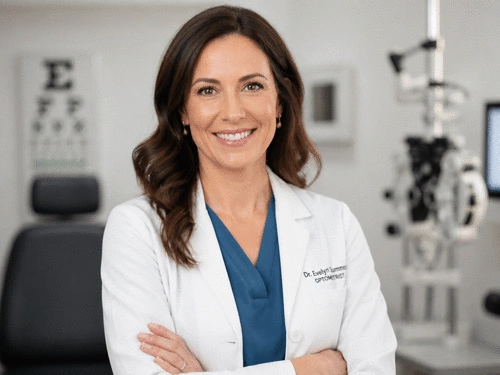
Dr. Evelyn Summers, OD is dedicated to providing comprehensive eye care and empowering her patients through knowledge and personalized consultations. At Genuine Eye Care, she ensures you receive the best care tailored to your unique needs, enhancing your vision clarity and protecting your long-term ocular health. Join her on our blog for insights and strategies for optimal eye care.
Doctor of Optometry. Ocular Health Specialist. Patient-centered care advocate.
Dr. Evelyn Summers, OD is dedicated to enhancing her patients' vision clarity and protecting long-term ocular health, empowering individuals and families to embrace a life of optimal sight. Join her on our blog for daily tips and tailored strategies that simplify your eye care journey and enhance your overall well-being.