Early Intervention & Communication
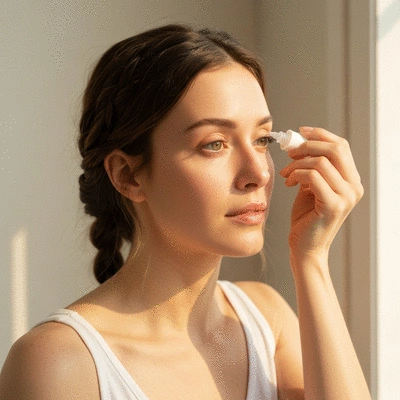
Addressing dry eye symptoms promptly prevents escalation. Maintaining open dialogue with your optometrist ensures tailored treatment adjustments.
- ✓ Seek prompt attention
- ✓ Share symptom changes
Welcome to Genuine Eye Care! Your vision, our priority.
Jun 13
As we navigate our increasingly screen-focused lives, eye health may take a backseat. What if small changes today could protect your vision tomorrow? Dive into the essential insights on managing dry eye syndrome and reclaim your comfort.
Effective dry eye management involves understanding its causes, knowing what questions to ask your optometrist, and establishing a consistent eye care routine. These three pillars are crucial for long-term relief and optimal eye health, similar to how understanding comprehensive eye exams is vital for overall ocular well-being.
Addressing dry eye symptoms promptly prevents escalation. Maintaining open dialogue with your optometrist ensures tailored treatment adjustments.
Asking the right questions during your optometrist visit clarifies diagnosis, treatment options, and financial aspects.
Consistent daily habits, like using artificial tears and taking screen breaks, are vital for long-term comfort and vision health.
Environmental factors like AC, heating, and prolonged screen time significantly worsen dry eye symptoms. Adjustments can help.
Have you ever experienced a persistent scratchy feeling in your eyes? You might be among the many individuals dealing with dry eye syndrome. At Genuine Eye Care, we recognize that understanding this condition is the first step toward relief. So, what exactly is dry eye, and how does it occur?
Dry eye is a common condition that arises when your eyes do not produce enough tears or when the tears evaporate too quickly. This can lead to discomfort and even vision problems. Tears are essential for maintaining eye moisture, protecting against infections, and providing clear vision. When the tear film is disrupted, it can result in dry eye symptoms.
Several factors can contribute to dry eye, including aging, certain medications, and medical conditions. In my practice, I often see patients who struggle with this issue due to environmental factors as well. By understanding the root causes, we can work together to find effective solutions and explore various dry eye relief options.
Recognizing the symptoms of dry eye is key to seeking treatment. Common indicators include:
If you’re experiencing any of these symptoms, don't hesitate to reach out! The sooner we address dry eye, the better your chances of finding comfort.
Environmental factors play a significant role in the severity and frequency of dry eye symptoms. Things like air conditioning, heating, pollution, and even prolonged screen exposure can exacerbate the issue. Have you noticed your eyes feeling drier in certain environments? This is quite common.
To help combat these effects, consider the following environmental adjustments:
By making these simple changes, you can enhance your comfort and reduce the symptoms of dry eye. Remember, I’m here to assist you in navigating these adjustments and finding the best care tailored to your needs.
Did you know? Incorporating Omega-3 fatty acids into your diet can help improve tear production and alleviate dry eye symptoms? Foods like salmon, walnuts, and flaxseeds are excellent sources. Consider adding these to your meals for better eye health!
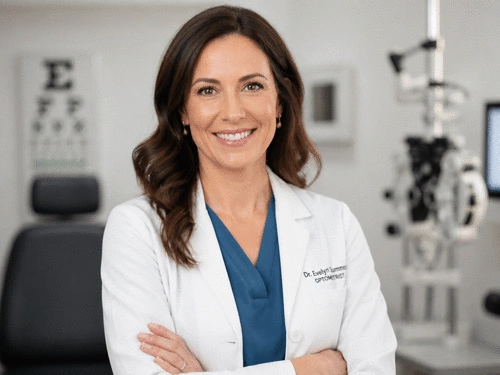
As you prepare for your visit to Genuine Eye Care, it’s essential to make the most of your time with me, Dr. Evelyn Summers, OD. Having a few key questions ready can lead to a more productive appointment, especially if you’re dealing with dry eye symptoms. Let’s explore some important questions that can help you effectively navigate your eye care journey.
When you come in, consider asking questions that clarify your diagnosis and treatment options. Here are some key questions to keep in mind:
These questions can help ensure you understand the process and what to expect, ultimately leading to better management of your dry eye condition.
Another important aspect of your visit is the discussion about the cost and accessibility of various treatments. Eye care can vary widely in expenses, and I want to ensure you feel comfortable with your options. Asking about costs upfront can help you plan for your care without financial stress, and you can learn more about managing eye exam costs and savings.
When you’re discussing treatments, consider these questions:
By being proactive about your treatment options and understanding the financial aspects, you can make informed decisions that align with your health and budget.
Managing dry eye is not just about finding the right treatment; it’s about taking an active role in your eye health journey. At Genuine Eye Care, I believe that empowering you with knowledge will lead to better outcomes. Here’s how you can take charge of your dry eye management.
One of the best strategies for managing dry eye is to seek early intervention. Have you noticed signs of discomfort or irritation in your eyes? Ignoring these symptoms can lead to worsening conditions. Early diagnosis allows us to implement effective treatments before issues escalate.
Remember, the earlier you address these symptoms, the more options we have for treatment. Don’t hesitate to reach out if you find yourself struggling with dryness or discomfort.
Establishing a good line of communication with your optometrist is crucial. I encourage you to share any changes in your symptoms or new concerns as they arise. This information allows us to tailor your treatment plan effectively. Regular check-ins can keep us on track and adjust your care as needed, ensuring you’re always receiving the best support possible.
Creating a consistent eye care routine can significantly enhance your long-term comfort and vision health. Here’s a simple list of habits you can incorporate into your daily life:
By incorporating these habits, you can work towards managing dry eye symptoms more effectively and maintaining your ocular health. Remember, I’m here to help you every step of the way!
Here is a quick recap of the important points discussed in the article:
Dedicated Doctor of Optometry. Passionate about enhancing vision and ocular health. Patient-centered approach.
Dr. Evelyn Summers, OD is dedicated to providing comprehensive eye care and empowering her patients through knowledge and personalized consultations. At Genuine Eye Care, she ensures you receive the best care tailored to your unique needs, enhancing your vision clarity and protecting your long-term ocular health. Join her on our blog for insights and strategies for optimal eye care.
Doctor of Optometry. Ocular Health Specialist. Patient-centered care advocate.
Dr. Evelyn Summers, OD is dedicated to enhancing her patients' vision clarity and protecting long-term ocular health, empowering individuals and families to embrace a life of optimal sight. Join her on our blog for daily tips and tailored strategies that simplify your eye care journey and enhance your overall well-being.