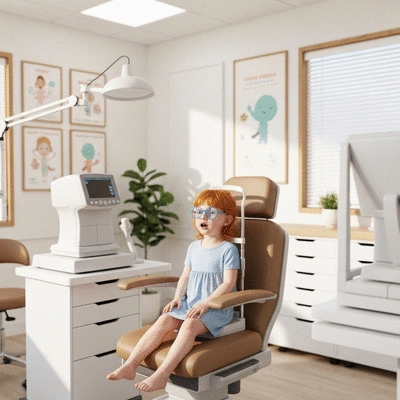
Newborn to 6 Months
- First vision screening
- Check eye alignment & movement
- Assess visual stimuli response
Welcome to Genuine Eye Care! Your vision, our priority.
Jul 31
When it comes to your child's development, good vision is crucial. Did you know that early eye exams can significantly enhance learning, social interactions, and emotional well-being? Here’s what you’ll discover about the importance of pediatric eye exams and how they contribute to your child's success.
Understanding when to schedule your child's eye exams is crucial for their visual development and overall well-being. These guidelines provide a clear roadmap for early detection and ongoing care.
As a parent, you might not realize just how crucial early vision screenings are for your child’s overall development. Vision plays a significant role in learning, social interactions, and even emotional well-being. Ensuring your child has healthy eyesight from a young age sets the foundation for their success in school and life!
I've seen firsthand at Genuine Eye Care how children with undiagnosed vision problems struggle not just academically, but socially too. Early eye exams can help catch these issues before they become significant hurdles, offering your child the best chance at thriving. To learn more about how comprehensive eye exams can benefit individuals of all ages, read our detailed guide on understanding comprehensive eye exams.
Vision affects many areas of development, including motor skills and cognitive abilities. Children rely on their sight to explore and understand the world around them; without clear vision, they might miss out on learning opportunities.
As a doctor of optometry, I encourage parents to get their little ones checked early. Addressing vision issues promptly can make a world of difference!
Pediatric eye exams can detect a range of common conditions that might affect your child's vision. Some significant issues to screen for include:
Recognizing these conditions early allows for timely intervention and effective treatment, ensuring your child can achieve their full potential.
Pediatric ophthalmologists specialize in diagnosing and treating vision problems in children. They possess the expertise to identify eye conditions that may not be obvious and can provide targeted treatment plans tailored to your child’s needs.
These specialists work closely with families to ensure a comprehensive approach to eye health, emphasizing the importance of regular check-ups to monitor changes as your child grows, just as we discuss the importance of dilated eye exams for a thorough assessment.
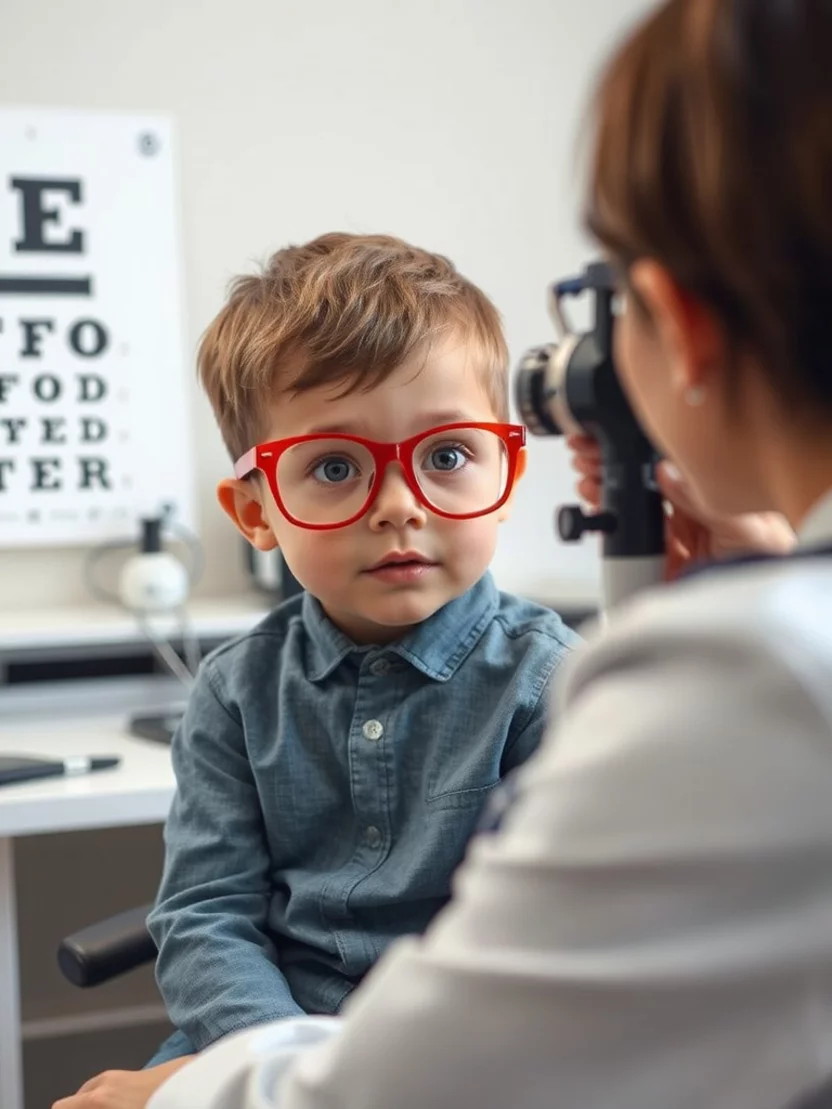
Visual acuity is a critical aspect of eye health, referring to the sharpness of vision. During pediatric eye exams, we measure visual acuity to assess how well your child can see at various distances.
By understanding and measuring visual acuity, we can ensure that your child is on track for optimal visual development.
To ensure your child’s vision health, it's essential to follow age-based guidelines for screenings. Here’s what you need to know:
During this critical period, it's recommended that children have their first vision screening. Routine checks help identify any potential issues early on.
As parents, staying informed and proactive during these early months sets the tone for your child's future vision health!
By six months, your child should have their first comprehensive eye exam. This exam often includes assessing their ability to focus and tracking their visual skills.
Here are some expected outcomes:
Having this early check-up is so important to ensure your little one's vision is developing properly!
Between ages one and three, children experience significant growth in visual skills. Eye exams during this time can track developmental milestones and identify any concerns that may arise.
As a parent, being vigilant about these appointments can help your child stay on the right path!
With school approaching, it’s essential to have your child's vision checked around age four or five. Vision significantly impacts school readiness and learning ability.
Taking these steps now can help ensure your child is ready to tackle their educational journey with confidence!
Once your child is in school, routine eye exams remain essential. Regular check-ups help catch any vision problems that may develop.
Staying on top of these appointments supports your child’s ongoing learning and development!
Many schools offer vision screening programs that help identify vision issues early. These screenings play a vital role in promoting eye health among children.
Being proactive about your child's vision health can have a lasting impact on their educational success!
As a parent, have you ever taken your child for a vision exam? We'd love to hear about your experience! Share your thoughts below:
As a parent, understanding the significance of pediatric eye exams can truly empower you to make informed decisions about your child's health. Regular eye screenings are not just routine; they play a crucial role in your child's development and overall well-being. By detecting potential vision issues early, we can manage them more effectively, leading to an improved quality of life for your little ones.
Have you ever noticed your child struggling to read the board at school or squinting while watching television? These could be subtle signs that warrant further evaluation. At Genuine Eye Care, we emphasize the importance of early detection and ongoing monitoring, ensuring that your child has every opportunity to thrive.
The long-term benefits of regular eye screenings extend beyond immediate vision correction. At Genuine Eye Care, we believe that proactive eye health management can lead to greater academic success and enhanced quality of life for children as they grow.
Choosing the right eye care professional for your child is vital. Here are some tips to consider:
Finding a trusted optometrist or ophthalmologist can make all the difference in your child's experience. I strive to create a friendly atmosphere, easing any anxiety they might feel during their visit. For more information on how often eye exams are recommended, consult our guide to eye exam frequency.
It's essential that all families have access to quality pediatric vision care. Here are a few considerations:
At Genuine Eye Care, we believe that every child deserves the chance to see the world clearly. Ensuring accessibility to eye care resources helps promote healthier futures for our communities.
Preparing your child for their first eye exam can help alleviate anxiety and make the experience more enjoyable. Here are some practical tips:
By taking these steps, you can help your child feel more confident and comfortable during their visit to our office.
As we wrap up this section, remember that staying proactive about your child's vision health is key. Schedule regular check-ups and stay aware of any changes in their visual habits. Set reminders for future appointments and involve your child in the process to foster a sense of responsibility for their own eye health.
At Genuine Eye Care, I’m here to support your journey toward maintaining your child's ocular health!
Vision therapy is a specialized treatment designed to improve specific visual skills. Here’s what to keep in mind:
Understanding vision therapy can empower you to make decisions that enhance your child's visual skills, leading to greater success in academics and daily activities.
Here is a quick recap of the important points discussed in the article:
Dedicated Doctor of Optometry. Passionate about enhancing vision and ocular health. Patient-centered approach.
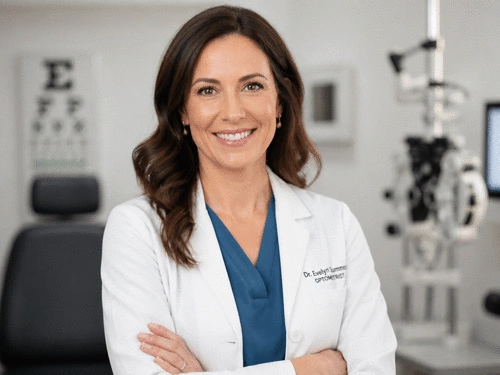
Dr. Evelyn Summers, OD is dedicated to providing comprehensive eye care and empowering her patients through knowledge and personalized consultations. At Genuine Eye Care, she ensures you receive the best care tailored to your unique needs, enhancing your vision clarity and protecting your long-term ocular health. Join her on our blog for insights and strategies for optimal eye care.
Doctor of Optometry. Ocular Health Specialist. Patient-centered care advocate.
Dr. Evelyn Summers, OD is dedicated to enhancing her patients' vision clarity and protecting long-term ocular health, empowering individuals and families to embrace a life of optimal sight. Join her on our blog for daily tips and tailored strategies that simplify your eye care journey and enhance your overall well-being.