Aug 14
Understanding Diabetic Eye Exams
According to recent studies, nearly half of all diabetic patients are unaware of the critical role regular eye exams play in preventing vision loss. This stark statistic underscores the importance of proactive eye care for those living with diabetes. Are you or someone you know making routine eye exams a priority?
What You Will Learn
- Diabetic eye exams are essential for early detection of diabetic retinopathy and other serious eye conditions.
- Individuals with Type 1 or Type 2 diabetes should have annual eye exams, while pregnant women with diabetes need exams during their pregnancy.
- Common vision changes related to diabetes include blurred vision, dark spots, and difficulty focusing.
- Recognizing urgent symptoms like sudden vision loss or increased floaters is crucial for timely intervention.
- Maintaining stable blood sugar levels is vital for preserving long-term eye health.
Diabetic Eye Exam Guidelines and Symptoms
Understanding the screening guidelines for diabetic eye exams and recognizing associated symptoms are crucial for managing ocular health for individuals with diabetes. The visual below outlines key recommendations and warning signs to help protect vision. For a deeper dive into general eye health, consider understanding comprehensive eye exams.
Screening Guidelines for Diabetic Eye Exams
- Type 1 diabetes: First exam within 5 years of diagnosis.
- Type 2 diabetes: Soon after diagnosis, then annually.
- Pregnant women with diabetes: Exams during pregnancy.
Common Vision Changes with Diabetes
- Blurred vision (fluctuating blood sugar).
- Dark spots or floaters (retinal changes).
- Difficulty focusing (especially up close).
- Difficulty distinguishing colors.
Symptoms of Retinopathy: When to be Concerned
- Sudden vision loss (critical sign).
- Increased number of floaters.
- Flashes of light (possible retinal tear).
- Dark or empty areas in vision.
Tips to Manage Blood Sugar for Ocular Health
- Monitor blood sugar regularly.
- Maintain a balanced diet.
- Stay hydrated, limit sugary drinks.
- Engage in regular physical activity.
Understanding Diabetic Eye Exams and Their Importance
At Genuine Eye Care, we emphasize the critical need for diabetic eye exams as part of your overall health management. But what exactly is a diabetic eye exam, and why is it so vital for those living with diabetes? These specialized exams are designed to detect early signs of diabetic retinopathy and other serious ocular conditions stemming from diabetes. Anyone diagnosed with diabetes should prioritize these exams, regardless of their current vision quality!
Diabetic retinopathy can develop without noticeable symptoms in the early stages. That's why regular eye exams are crucial! If you know someone with diabetes, encourage them to schedule their exam to help protect their vision.
What is a Diabetic Eye Exam and Who Should Get One?
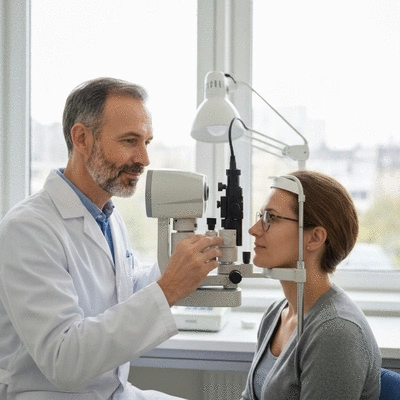
A diabetic eye exam involves a thorough examination of the eyes to identify any changes that may be related to diabetes. This exam typically includes a vision test, an assessment of eye pressure, and a detailed examination of the retina using specialized equipment. It’s recommended that adults with diabetes undergo these exams at least once a year, or more frequently if advised by their optometrist. For more details on recommended frequencies, explore our guide on eye exam frequency.
- Individuals diagnosed with Type 1 or Type 2 diabetes
- Patients who are pregnant and have diabetes
- Anyone experiencing vision changes or symptoms related to diabetes
At Genuine Eye Care, I ensure that my patients understand the importance of these exams and how they can help in early detection of potential issues.
The Role of Optometrists in Detecting Diabetic Retinopathy
As an optometrist, my role involves not only performing diabetic eye exams but also educating my patients about the implications of their results. Detecting diabetic retinopathy at an early stage can significantly reduce the risk of vision loss. During the exam, I look for telltale signs like microaneurysms, retinal swelling, and abnormal blood vessels. These signs are critical in determining the next steps for treatment and management.
Early detection saves vision! By identifying these changes early on, we can implement strategies to manage your ocular health more effectively.
Screening Guidelines for Diabetic Eye Exams: What You Need to Know
Understanding when and how often to get a diabetic eye exam is essential for effective diabetes management. Here are some key guidelines to keep in mind:
- Type 1 diabetes patients should have their first eye exam within five years of diagnosis.
- Those with Type 2 diabetes should get an eye exam soon after diagnosis and then annually.
- Pregnant women with diabetes should have eye exams during their pregnancy to monitor any changes.
At Genuine Eye Care, I work with my patients to create a personalized schedule for their eye care needs, ensuring we stay ahead of any potential complications.
Interactive Poll: Your Eye Health Experience
As we discuss the importance of diabetic eye exams, we want to hear from you! Have you or someone you know ever experienced any changes in vision related to diabetes? Share your thoughts below:
Recognizing Symptoms and Changes in Vision Related to Diabetes
Recognizing the symptoms and changes in vision related to diabetes is crucial for maintaining your ocular health. Many people may not realize that diabetes can significantly impact their vision, often leading to conditions such as diabetic retinopathy. It's essential to stay informed about what to look for and when to take action.
As someone who has dedicated my practice to enhancing my patients' vision, I frequently see the effects of diabetes on eye health. Understanding these changes can empower you to address them before they escalate, ensuring your eyes remain healthy!
Common Vision Changes Associated with Diabetes
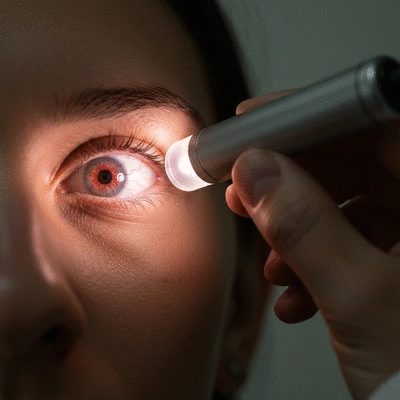
Diabetes can lead to various vision changes that might be subtle at first but can worsen over time. Here are some common changes to watch for:
- Blurred vision: This can occur when blood sugar levels fluctuate.
- Dark spots or floaters: These may signal changes in the retina.
- Difficulty focusing: Individuals may struggle to focus on objects, especially up close.
- Color changes: Some patients report difficulty distinguishing colors.
If you notice any of these symptoms, it's vital to consult with an optometrist like myself. Early detection can make a significant difference in managing potential complications!
Symptoms of Retinopathy: When to Be Concerned
Diabetic retinopathy is a serious condition that can arise from uncontrolled diabetes. It's important to recognize the symptoms that indicate you should seek immediate care:
- Sudden vision loss: This is a critical sign that cannot be ignored.
- Increased number of floaters: An uptick in floaters can signify retinal damage.
- Flashes of light: Seeing flashes may indicate a retinal tear.
- Dark or empty areas in vision: This can be a sign of significant retinal damage.
Should you experience any of these symptoms, please reach out to Genuine Eye Care for a thorough evaluation. Timely intervention is key to preventing further vision loss!
Understanding the Impact of Blood Sugar Levels on Vision Changes
Your blood sugar levels can have a direct impact on your vision. Fluctuations can cause the lens of the eye to swell, leading to temporary changes in vision. Maintaining stable blood glucose levels is essential for long-term eye health. For further reading on related ocular conditions, consider our article on understanding dry eye relief options, as dry eye can sometimes exacerbate other vision issues.
Here are a few tips to manage your blood sugar effectively:
- Monitor your blood sugar regularly.
- Maintain a balanced diet rich in whole foods.
- Stay hydrated and limit sugary beverages.
- Engage in regular physical activity.
By staying proactive about your diabetes management, you can help preserve your vision and overall health. Remember, at Genuine Eye Care, I’m here to provide support and guidance tailored to your unique needs!
Frequently Asked Questions About Diabetic Eye Health
- Q: Why are regular eye exams so important for people with diabetes?
- A: Regular eye exams are crucial for early detection of diabetic retinopathy and other serious eye conditions that can lead to vision loss if left untreated. Many early-stage conditions have no noticeable symptoms.
- Q: How often should someone with diabetes get an eye exam?
- A: Individuals with Type 1 diabetes should have their first exam within five years of diagnosis, then annually. Those with Type 2 diabetes should get an exam soon after diagnosis, and then annually. Pregnant women with diabetes need exams during their pregnancy.
- Q: What are common vision changes associated with diabetes?
- A: Common vision changes include blurred vision (often due to fluctuating blood sugar), dark spots or floaters, difficulty focusing, and trouble distinguishing colors.
- Q: What symptoms of retinopathy require urgent attention?
- A: Urgent symptoms include sudden vision loss, a significant increase in the number of floaters, flashes of light, and dark or empty areas in your vision. These could indicate serious retinal damage or a retinal tear.
- Q: How does blood sugar management affect eye health?
- A: Stable blood sugar levels are vital for long-term eye health. Fluctuations in blood sugar can cause temporary vision changes due to swelling of the eye's lens. Consistent management helps prevent or slow the progression of diabetic eye conditions.
Recap of Key Points
Here is a quick recap of the important points discussed in the article:
- Diabetic eye exams are essential for early detection of diabetic retinopathy and other ocular conditions.
- Individuals with diabetes should have regular eye exams, ideally once a year or more frequently if recommended.
- Common vision changes to watch for include blurred vision, floaters, and difficulty focusing.
- Recognizing symptoms of retinopathy, such as sudden vision loss and increased floaters, is crucial for timely intervention.
- Maintaining stable blood sugar levels is vital for long-term eye health and can help mitigate vision changes.

Dr. Evelyn Summers, OD
Dedicated Doctor of Optometry. Passionate about enhancing vision and ocular health. Patient-centered approach.
Dr. Evelyn Summers, OD is dedicated to providing comprehensive eye care and empowering her patients through knowledge and personalized consultations. At Genuine Eye Care, she ensures you receive the best care tailored to your unique needs, enhancing your vision clarity and protecting your long-term ocular health. Join her on our blog for insights and strategies for optimal eye care.