Early Detection & Prevention
Regular exams catch diabetic retinopathy early, significantly reducing the risk of vision loss. Proactive monitoring prevents serious complications.
Welcome to Genuine Eye Care! Your vision, our priority.
Oct 04
Have you ever considered how diabetes can affect your eyesight? Regular diabetic eye exams are not just a routine check-up; they are vital for maintaining your vision and overall health. Here's why prioritizing these exams is crucial for your well-being.
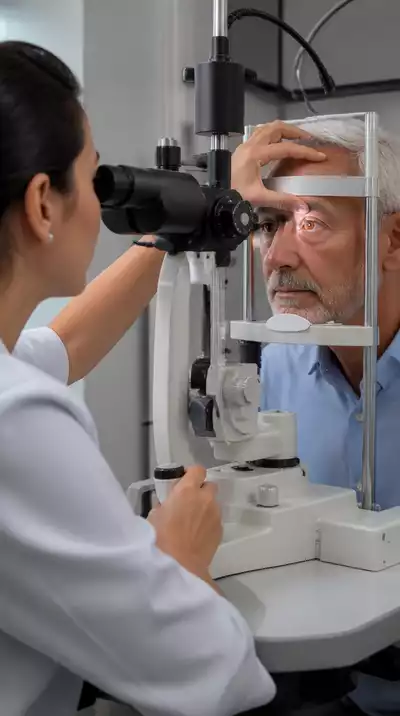
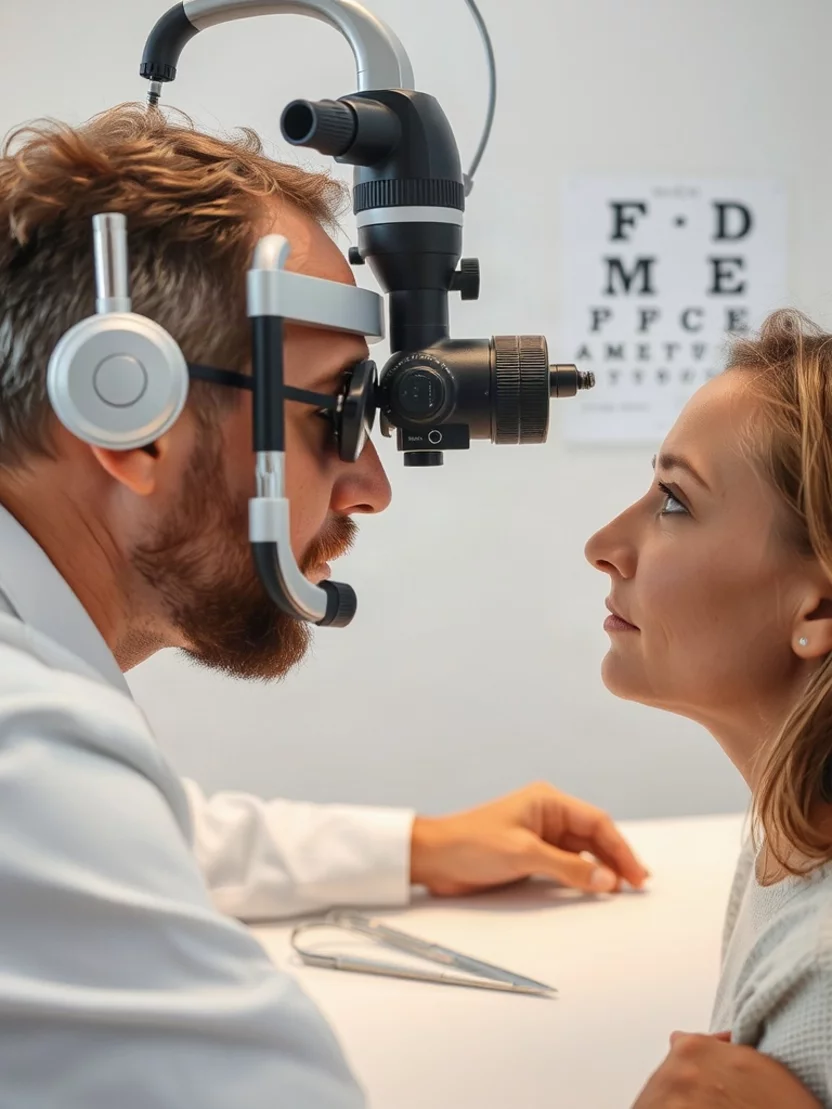
Diabetic eye exams are crucial for early detection and management of diabetic eye diseases, protecting long-term vision. The visual below highlights the key conditions and the process involved in these essential examinations. For a deeper dive into general eye health, consider reading about understanding comprehensive eye exams.
Regular exams catch diabetic retinopathy early, significantly reducing the risk of vision loss. Proactive monitoring prevents serious complications.
As an optometrist, I often remind my patients about the critical role that regular diabetic eye exams play in maintaining their vision health. If you have diabetes, these exams can significantly reduce the risk of vision loss caused by diabetic eye diseases. They not only help in early detection but also in managing any complications that could arise. Remember, your eyes are windows to your overall health!
At Genuine Eye Care, we believe in empowering our patients with knowledge, and understanding the importance of these exams is vital. It's not just about checking your vision; it’s a comprehensive approach to protecting your long-term ocular health.
Regular diabetic eye exams are essential because they allow for early detection of issues like diabetic retinopathy. This condition can develop without noticeable symptoms, making it vital to have routine checks. Here’s why you should prioritize these exams:
Think of these exams as a safety net—ensuring that any potential issues are caught before they escalate into significant problems. As someone dedicated to your eye health, I am here to guide you through every step of the process. For more details on what to expect, especially with conditions like dry eye, learn about understanding dry eye relief options.
Diabetic eye disease encompasses several serious conditions affecting the eyes, primarily caused by diabetes. The most common types include diabetic retinopathy, diabetic macular edema, and cataracts. Each of these conditions can impact vision in different ways, often without early warning signs.
Understanding these conditions is the first step in prevention. Awareness can lead to proactive measures, and I encourage you to discuss any concerns with me during your appointments.
There is a direct connection between your blood sugar levels and your eye health. High blood sugar can lead to damage in the blood vessels of your eyes, which can exacerbate diabetic eye diseases. Keeping your diabetes well-managed not only promotes overall health but also protects your vision.
To help you maintain a healthy balance, here are some practical tips to consider:
By taking these steps, you empower yourself to keep both your diabetes and your eye health in check. Let’s work together at Genuine Eye Care to ensure you’re doing everything possible to protect your vision.
When you come in for a diabetic eye exam, you might wonder what the process involves. I aim to make every visit informative and comfortable, ensuring you understand each step along the way.
Stay tuned for detailed insights on the essential components of a dilated eye exam in the next sections!
Here are some common questions patients ask about diabetic eye exams:
How often do you prioritize your diabetic eye exams? Share your thoughts below:
As we wrap up our discussion on diabetic eye exams, it’s clear that your vision is incredibly important. Regular check-ups can help detect issues early, ensuring you keep your eyesight healthy and vibrant for years to come. At Genuine Eye Care, we genuinely care about your ocular health, and that's why understanding the importance of these exams is essential for every patient with diabetes.
If you have diabetes, taking proactive measures to protect your vision is crucial. By scheduling your diabetic eye exams, you’re not just checking off a box; you are actively participating in your health journey. So, let’s dive into a few key points that summarize why these exams are vital!
Here are some compelling reasons to prioritize your diabetic eye exams:
Remember, your vision is an investment! At Genuine Eye Care, we’re here to support you every step of the way in protecting it.
Preparing for your diabetic eye exam doesn’t have to be stressful. Here are some simple tips to help you get ready:
Taking these steps will ensure a smoother visit, allowing us to focus on your ocular health. For a comprehensive overview of general eye health and what to expect during various examinations, check out our guide on understanding comprehensive eye exams.
In addition to regular eye exams, there are numerous resources available to help you manage diabetes effectively and care for your vision:
By utilizing these resources, you can enhance your understanding of diabetes and its effects on your eyes, ensuring you stay informed and proactive. Together, let’s take steps to protect your vision health!
Here is a quick recap of the important points discussed in the article:
Dedicated Doctor of Optometry. Passionate about enhancing vision and ocular health. Patient-centered approach.
Dr. Evelyn Summers, OD is dedicated to providing comprehensive eye care and empowering her patients through knowledge and personalized consultations. At Genuine Eye Care, she ensures you receive the best care tailored to your unique needs, enhancing your vision clarity and protecting your long-term ocular health. Join her on our blog for insights and strategies for optimal eye care.
Doctor of Optometry. Ocular Health Specialist. Patient-centered care advocate.
Dr. Evelyn Summers, OD is dedicated to enhancing her patients' vision clarity and protecting long-term ocular health, empowering individuals and families to embrace a life of optimal sight. Join her on our blog for daily tips and tailored strategies that simplify your eye care journey and enhance your overall well-being.